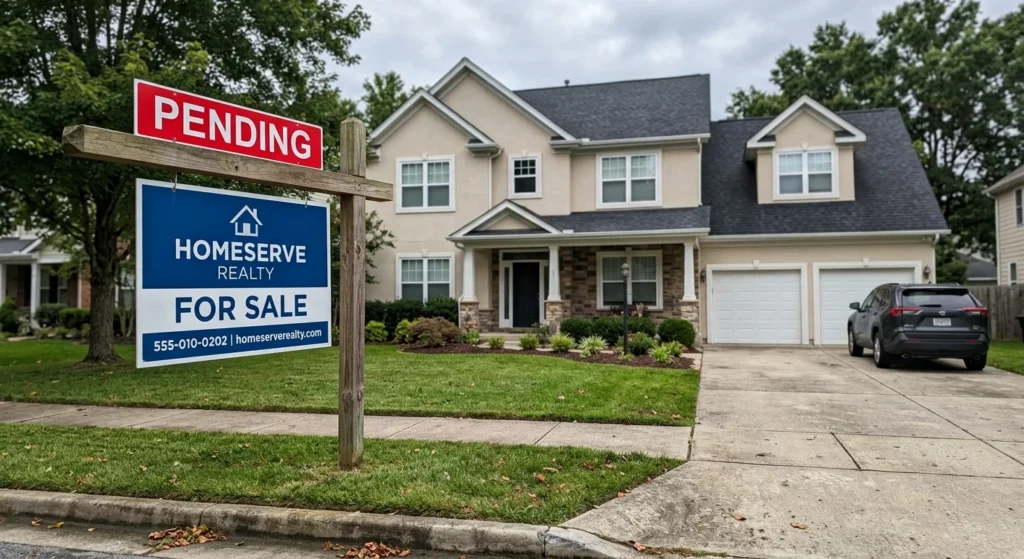

In real estate, pending means the seller has accepted a buyer’s offer, and both sides have signed a purchase contract, but the sale hasn’t closed yet. The home is usually off the market for new offers, though the deal can still fall apart before closing.
If you are scrolling listings on Zillow, Realtor.com, or Redfin, a “Pending” tag can feel like a closed door. Sometimes it is, and sometimes it is not. This guide covers what the status really includes, how long it lasts, what can derail it, and what buyers and sellers can do while a home sits in this stage.
What Pending Status Looks Like in Practice
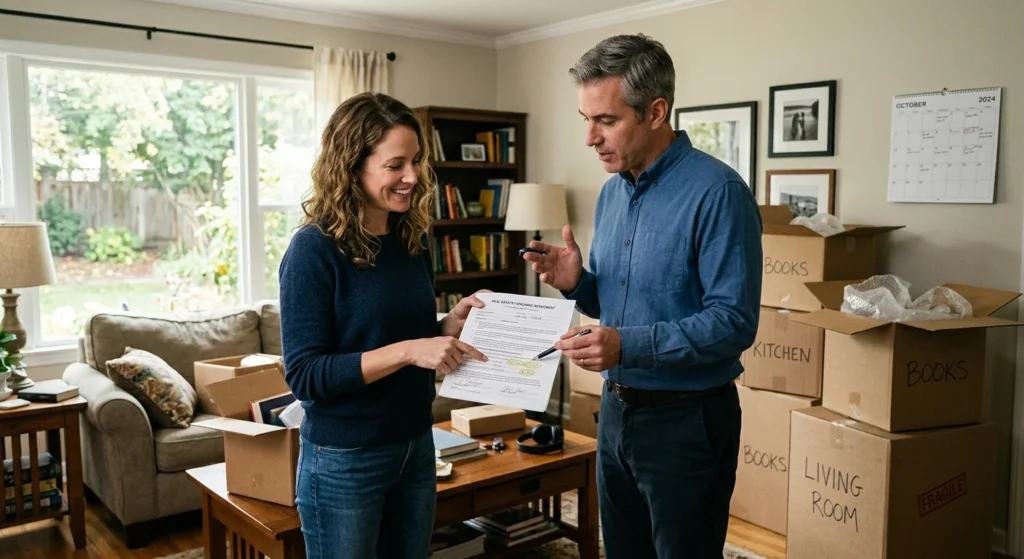
A home goes pending after the seller accepts an offer and the buyer and seller sign the purchase agreement. From there, the transaction moves into the work that sits between a handshake and a closing: inspections, the appraisal, loan underwriting, the title search, and final paperwork.
The listing agent updates the status in the multiple listing service, or MLS, and that change flows out to the big consumer sites. Most sellers stop scheduling showings once it happens. Some keep the home available if the contract still has open conditions, and the status label usually says so.
For a buyer browsing listings, pending is a signal about timing, not about the home itself. A house can go pending in a day in a hot market or sit active for months in a slow one. The tag only tells you someone else reached the table first.
Pending vs. Contingent vs. Under Contract vs. Sold
These four labels get mixed up all the time, and the exact wording changes by MLS and by listing site. The differences below hold in most US markets.
1. Pending Versus Contingent
A contingent listing has an accepted offer, but the deal depends on a condition that has not been met yet, such as the buyer selling a current home or finishing an inspection. Many MLSs label this “Active Contingent,” and agents often keep showing the home and taking backup offers. Pending usually means the major conditions have been cleared or waived and the sale is moving toward closing.
2. Pending Versus Under Contract
Under contract is the everyday version of the same idea. Some agents say a home is under contract the moment both parties sign, then call it pending once the MLS status is formally updated. In casual conversation, the two terms mean about the same thing.
3. Pending Versus Sold
A sold status appears only after closing, when the deed is recorded, and the money changes hands. Until then the sale is not final. In most states, the final price becomes visible afterward, though a handful of non-disclosure states keep it private.
4. Pending With Back-Ups and Continue-to-Show Notes
Some MLSs add detail to the pending label. “Pending, taking back-ups” means the seller will consider a second offer, and “continue to show” means the seller is still allowing tours because a condition remains open. Names differ across regions, so read the listing notes rather than trusting the badge alone.

What Happens While a Home Is Pending
The stretch between acceptance and closing is where most of the real work happens. This is the usual sequence, though the order shifts by state and loan type.
1. Earnest Money and the Home Inspection
Within a few days of signing, the buyer typically deposits earnest money with a title company, escrow agent, or attorney. The deposit shows good faith and is normally credited toward the buyer’s costs at closing. If the buyer backs out for a reason the contract does not protect, the seller may be entitled to keep it.
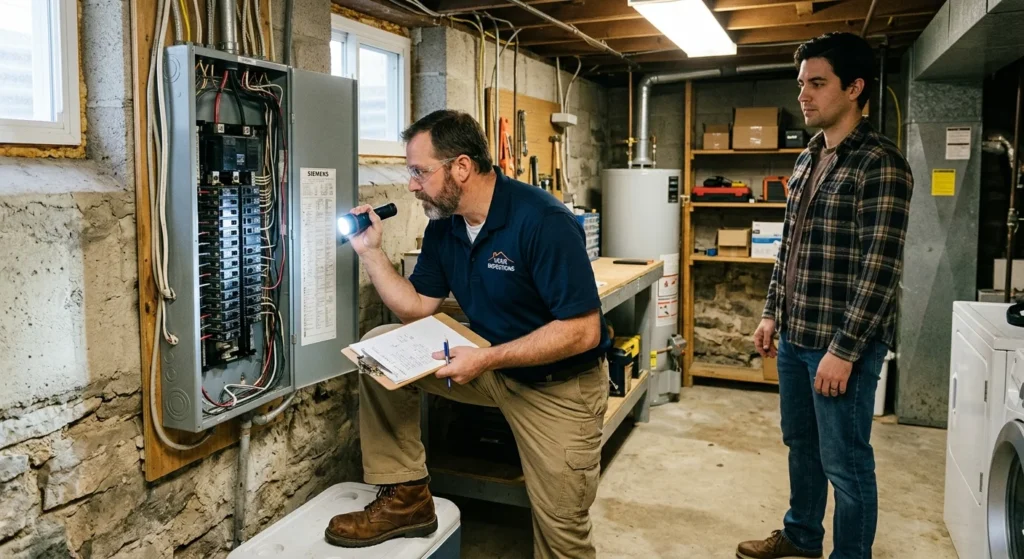
The inspection usually happens in the first week or so, inside a window the contract sets. If the inspector finds problems, the buyer can ask for repairs, request a credit, renegotiate the price, or walk away if the contract allows it.
2. Appraisal and Loan Underwriting
If the buyer is using a mortgage, the lender orders an appraisal to confirm the home is worth at least the loan amount. When it comes in below the contract price, there is an appraisal gap. The buyer can cover the difference in cash, the seller can lower the price, the two can split it, or the deal can end.
Meanwhile, underwriters verify income, assets, and credit. Buyers are usually told not to open new credit cards, change jobs, or make large unexplained deposits during this stretch, since any of those can stall approval.
3. Title Search, Final Walk-Through, and Closing
A title company searches public records for liens, unpaid taxes, or ownership disputes that must be cleared before the sale. The buyer then does a final walk-through, often within 24 hours of closing, to confirm the home is in the agreed condition.
Attorneys play a bigger role in some states. New York and Massachusetts, for example, commonly involve a lawyer in the closing, and New Jersey gives both sides a short attorney review window right after signing.
How Long Does a Home Stay Pending?
Most pending sales close in roughly 30 to 60 days. ICE Mortgage Technology’s Origination Insight Reports have put the average time to close a purchase loan at around 40 to 50 days in recent years. Cash purchases can close faster, sometimes in under two weeks, because no lender is involved.
Longer timelines show up when repairs drag on, a lender has a backlog, or a new-construction build needs final inspections. Short sales can stay pending for months while the seller’s lender reviews the deal.
A Week-by-Week Look at a Typical Pending Timeline
A 40-day purchase with a mortgage often runs like this, with contract dates adjusting the details.
In week one, the contract is signed, earnest money goes in, the inspection is scheduled, and the buyer submits a full loan application. Weeks two and three bring inspection results, repair negotiation, the appraisal order, and document requests from underwriting. In weeks four and five, the appraisal is reviewed, title work finishes, and the lender issues final loan conditions.
The last stretch covers the final walk-through, signing, and funding. The Consumer Financial Protection Bureau requires lenders to deliver the Closing Disclosure at least three business days before closing, so a delay there can push the date back.
Why Pending Sales Fall Through
Pending is not a guarantee. Redfin has reported that roughly 15% of homes that went under contract in several recent monthly analyses were canceled before closing, a higher share than in the years before 2022. The reasons tend to repeat.
- Inspection findings the buyer and seller cannot agree on, such as a failing roof, foundation cracks, or an old electrical panel.
- A low appraisal when the buyer cannot or will not cover the gap.
- Financing trouble, including a job change, a new debt, or a loan denial late in underwriting.
- Title problems like an unreleased lien or a boundary dispute.
- A buyer who cannot close on their own sale and walks away under a home-sale contingency.
- Missed deadlines, since most contracts set dates for inspection responses, loan approval, and closing.
Who gets the earnest money when a deal ends depends on why. A buyer who cancels inside a valid contingency window, such as a failed inspection or financing, normally gets the deposit back. A buyer who walks away outside those protections can lose it, though the contract language and state rules decide.
Buyers with a large down payment, a documented preapproval letter, and a flexible closing date tend to carry less risk, which sellers often weigh when comparing offers.
Can You Still Make an Offer or Tour a Pending Home?
You can usually submit an offer, but it will be treated as a back-up, not a competing bid. The seller is bound by the signed contract and cannot simply switch buyers because yours is higher without risking a breach.
Touring depends on the label. If the status is plain pending with no continue-to-show note, most listing agents will decline showings because the buyer has already inspected and locked in. If the home is contingent or marked to continue to show, ask your agent to request a tour.
An open house advertised on a pending listing is unusual. Call the agent first, since it may be an outdated listing.
What It Means When a Pending Home Goes Back on the Market
A relisted home was pending and is now active again. It happens when a contingency fails, or the buyer cancels. Agents often use phrases like “back on market” or “buyer financing fell through,” though they are not required to explain the reason to the public.
If you were interested, this is a second chance. Ask the listing agent what happened. If the cause was an inspection problem, ask whether the seller will share the report, since many states require sellers to disclose known material defects to the next buyer.
Sellers whose deal collapsed may be more open to negotiating, especially if they have already bought another home or are paying two mortgages. Others dig in because they believe the price was fine.
What Buyers Can Do When They Love a Pending Home
Start by asking your agent exactly which status the listing carries. Some listings are marked as taking back-up offers, which means the seller will accept a second offer that only takes effect if the first deal fails.
A back-up offer puts you first in line without breaking the existing contract. Your agent can draft it with an addendum, and you may need to pay earnest money. The seller is not required to sign one.
Set a saved search or alert so you hear right away if the home returns to the market. Keep your preapproval letter current and your documents ready, since speed matters when a listing flips back. Meanwhile, keep touring comparable homes so one pending sign does not stall your search.
What Sellers Should Do After Accepting an Offer
Read the contract’s deadline dates and put them on a calendar. Missing a response window for inspection repairs or an appraisal issue can hand the buyer a reason to cancel or, in some cases, leave you in breach.
Respond fast to requests, keep the home in the condition shown at the offer, and avoid big changes like removing fixtures that were part of the deal. Let the buyer’s agent schedule the inspection, appraisal, and walk-through without delay.
Ask your agent about a backup offer if your contract allows one. A second buyer on standby can save weeks if the first sale collapses.
How to Read Pending Status on Zillow, Realtor.com, and Redfin
These sites pull from local MLS feeds, so a status reflects what the listing agent entered, sometimes a day or more late. Some portals separate “Contingent” from “Pending,” while others fold both into one label or use “Under contract.” Because wording varies, a short call to the listing agent gives you the true status faster than any badge.