


How long is real estate school? It depends on your state, but pre-licensing coursework runs from 40 hours in places like Michigan and Alaska to 180 hours in Texas. Most people finish somewhere between two weeks and six months, depending on the state and how many hours they study each week.
The classroom portion is only the first stretch. You also have to pass a state exam, clear a background check, and find a sponsoring broker before you can work. This guide gives you the hours state by state, the math for turning hours into weeks, and the delays that catch people off guard.
Real Estate School Hours by State
There is no national number. Each state’s real estate commission sets its own pre-licensing minimum, so the answer starts with where you plan to work. The table lists the hours for a salesperson license, or the entry license where a state skips the salesperson tier.
| State | Pre-Licensing Hours | Regulator |
| California | 135 | California Department of Real Estate |
| Texas | 180 | Texas Real Estate Commission |
| Florida | 63 | Florida Department of Business and Professional Regulation |
| New York | 77 | New York Department of State |
| Pennsylvania | 75 | Pennsylvania State Real Estate Commission |
| Illinois | 75 (broker license) | Illinois Department of Financial and Professional Regulation |
| Ohio | 100 | Ohio Division of Real Estate |
| Georgia | 75 | Georgia Real Estate Commission |
| North Carolina | 75 | North Carolina Real Estate Commission |
| Arizona | 90 | Arizona Department of Real Estate |
| Washington | 90 | Washington Department of Licensing |
| Nebraska | 96 | Nebraska Real Estate Commission |
| Connecticut | 60 | Connecticut Department of Consumer Protection |
| Michigan | 40 | Michigan LARA |
| Alaska | 40 | Alaska Real Estate Commission |
Texas sits at the top with 180 hours, split into six 30-hour courses. California asks for 135 hours across three 45-hour courses: Real Estate Principles, Real Estate Practice, and one elective. Florida’s 63 hours make it one of the shortest paths among large states.
Requirements change, so treat any table as a starting point. Nebraska raised its requirement to 96 hours on January 1, 2026, according to the Nebraska Real Estate Commission. Ohio moved the other way, dropping from 120 hours to 100 in late 2025.
Illinois and Indiana have no salesperson tier, so their hours lead straight to a broker license. That detail trips up people who search for “agent” requirements and find broker rules instead.
How Many Weeks Real Estate School Takes at Different Paces
Hours turn into weeks with one division problem. Take your state’s required hours and divide by the hours you can study each week. A 63-hour Florida course at 10 hours a week takes about six and a half weeks, while a 180-hour Texas path at the same pace takes 18.
Studying Part-Time Around a Job
At 5 to 10 hours a week, a 90-hour course takes 9 to 18 weeks, and California’s 135 hours takes roughly 14 to 27 weeks. That is a long runway for someone working a full-time job.
The risk at this pace is drift. When a few weeks slip by, the early chapters on property ownership and contracts fade, and you spend extra time re-reading before the final exam.
Studying Full-Time
At 30 to 40 hours a week, a 63-hour course wraps up in about two weeks or less. A 180-hour course takes roughly 4.5 to 6 weeks.
Live accelerated programs follow the same math, usually with weekday classes that run most of the day. Ask your school whether your state limits daily study hours or sets a minimum course length, since those rules can stop you from going faster than the arithmetic suggests.
Online, Live Online, and In-Person Format
Format changes your calendar more than most people expect. Self-paced online courses from schools like Kaplan, Real Estate Express, and The CE Shop let you start any day and study at midnight if you want. The trade-off is that nobody sets your deadlines, and courses carry access windows (more on that below).
Live online classes run on a fixed schedule with an instructor, often a few evenings a week. They suit people who need accountability, and they finish on a predictable date. In-person classrooms work the same way, with the added benefit of asking questions face to face and meeting future colleagues.
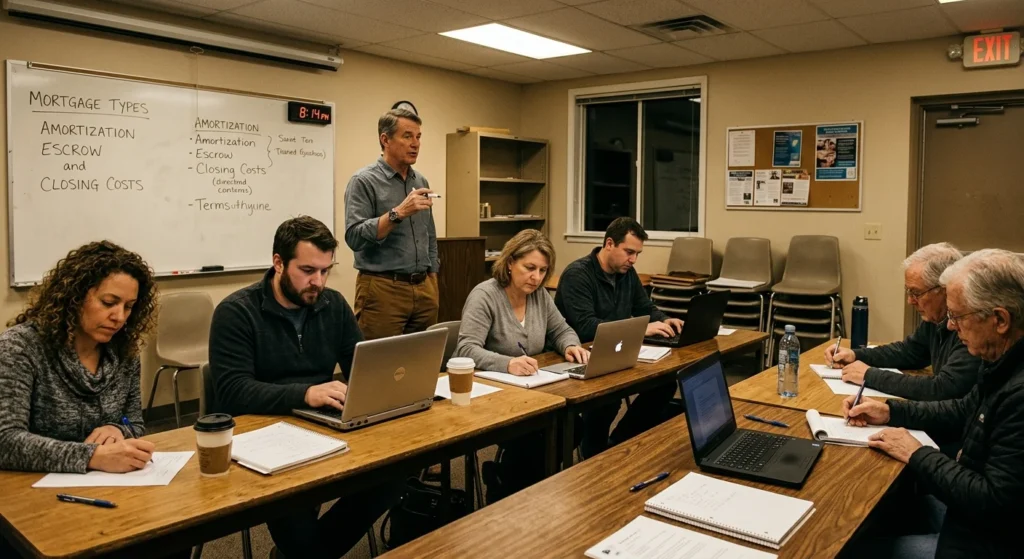
Whatever format you pick, confirm the school is approved by your state commission before you pay. A course from an unapproved provider may not count toward your hours, which turns a 10-week plan into a 20-week one.
The Full Timeline From First Class to First Listing
Finishing the course does not put a license in your hand. The usual sequence is the school’s final exam, the license application and fingerprints, the state exam, and then affiliating with a broker. Each step has its own wait.
States that require fingerprints and a background check often want them before you can schedule the exam. Texas, for example, has applicants file with the Texas Real Estate Commission first. Processing speed varies, so submit your application as soon as the course is done.
The state exam has a national section and a state section, and it is delivered by testing vendors. Pearson VUE runs the Nebraska and Florida exams, and PSI runs Connecticut’s. Question counts differ by state, with California at 150 questions and Texas at 125.
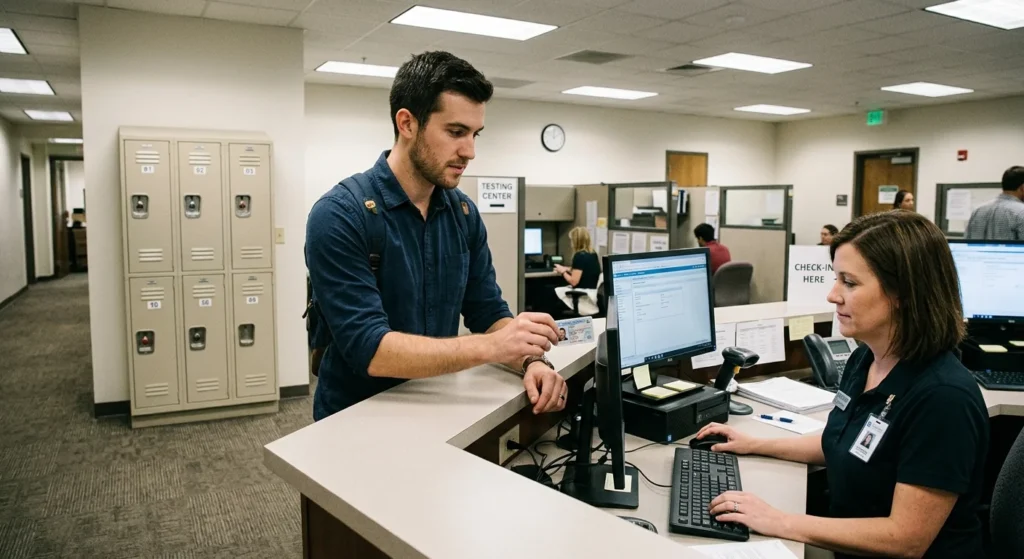
Here is a planning example. Someone in Florida studying 10 hours a week finishes the 63-hour course in about seven weeks. Add application time, exam scheduling, and finding a broker, and three months from first lesson to an active license is a reasonable budget. Treat that as a planning estimate, not a promise, because processing times and exam seat availability vary.
What Stretches or Shortens Your Timeline
1. Course Expiration Windows
Online courses can expire. The CE Shop says its pre-licensing courses expire one year after purchase and offers a 50 percent discount on a replacement, but you still repeat the work. Montana goes further and requires coursework to fall within the 24 months before you apply.
2. Degrees and Exemptions
Pennsylvania exempts applicants who hold a real estate degree or a law degree from its 75-hour requirement. Other states give attorneys or degree holders partial or full credit. Check your commission’s exemption page before paying for hours you may not need.
3. Post-License Education
Some states ask for more coursework after you are licensed. Delaware requires 12 post-license hours within 90 days, Tennessee requires a 30-hour course for new affiliates, and Alaska lets a license lapse if post-license hours are not filed. These hours rarely delay your start, but missing the deadline can cost you the license.
4. Retakes
Failing a course final or the state exam adds time and fees. Waiting periods and attempt limits vary by state, so read your commission’s exam rules before you book the first attempt.
Picking a Pace That Fits Your Schedule
Start with the hours your state requires, then be honest about your week. If you can protect 10 hours, a 75-hour state takes under two months. If you can only manage three or four, expect the course to stretch past four months and plan for it.
Block study sessions on the calendar like appointments. Two or three focused sessions a week beat one long weekend binge, since the material (contracts, agency, finance, fair housing) builds on itself.
Book the state exam soon after the course ends, while the vocabulary is fresh. Many schools bundle practice exams, and doing a few under timed conditions shows you which chapters need another pass. Waiting two or three months to test often means re-learning content you already paid for.

If you are still deciding between states, the hours gap matters. Moving from a 40-hour state to a 180-hour state is a 4.5-times jump in coursework, which is a real difference in both time and tuition.
Your Next Step
So how long is real estate school for you? Look up your state’s required hours on its commission website, divide by the hours you can study each week, and add time for the exam, application, and background check. That number is your real timeline, and it is usually longer than the course length alone.