

Getting a California real estate license takes three pre-licensing courses, a state exam, and a sponsoring broker willing to hold your license. Most applicants finish the whole process in three to six months, depending on how fast they move through the coursework and how soon a testing slot opens up.
This guide walks through every step the California Department of Real Estate (DRE) actually requires, plus the real costs and timelines you can expect along the way.
What Is a California Real Estate License
A California real estate license is a state credential issued by the DRE that allows a person to represent buyers, sellers, landlords, or tenants in property transactions for pay. Without it, arranging a sale or negotiating a lease on someone else’s behalf is illegal in the state, even if no money changes hands directly for the advice given.
There are two license types most people pursue: salesperson and broker. A salesperson license lets you work under a licensed broker. A broker license lets you operate independently or run your own brokerage, but it requires additional coursework and experience first.
Who Can Apply for a California Real Estate License
1. Age and Residency Requirements
Applicants must be at least 18 years old. California does not require you to be a state resident, so out-of-state applicants can apply, though the process involves an extra step for fingerprinting if you cannot visit an in-state Live Scan location.
2. Background Check Rules
The DRE requires fingerprinting through the Live Scan program for a background check. A prior conviction does not automatically disqualify you, but it does trigger a review, and applicants with a criminal record should submit a Statement of Issues in advance rather than wait for a denial after the exam.
Steps to Get a California Real Estate License
1. Complete the Required Pre-Licensing Courses
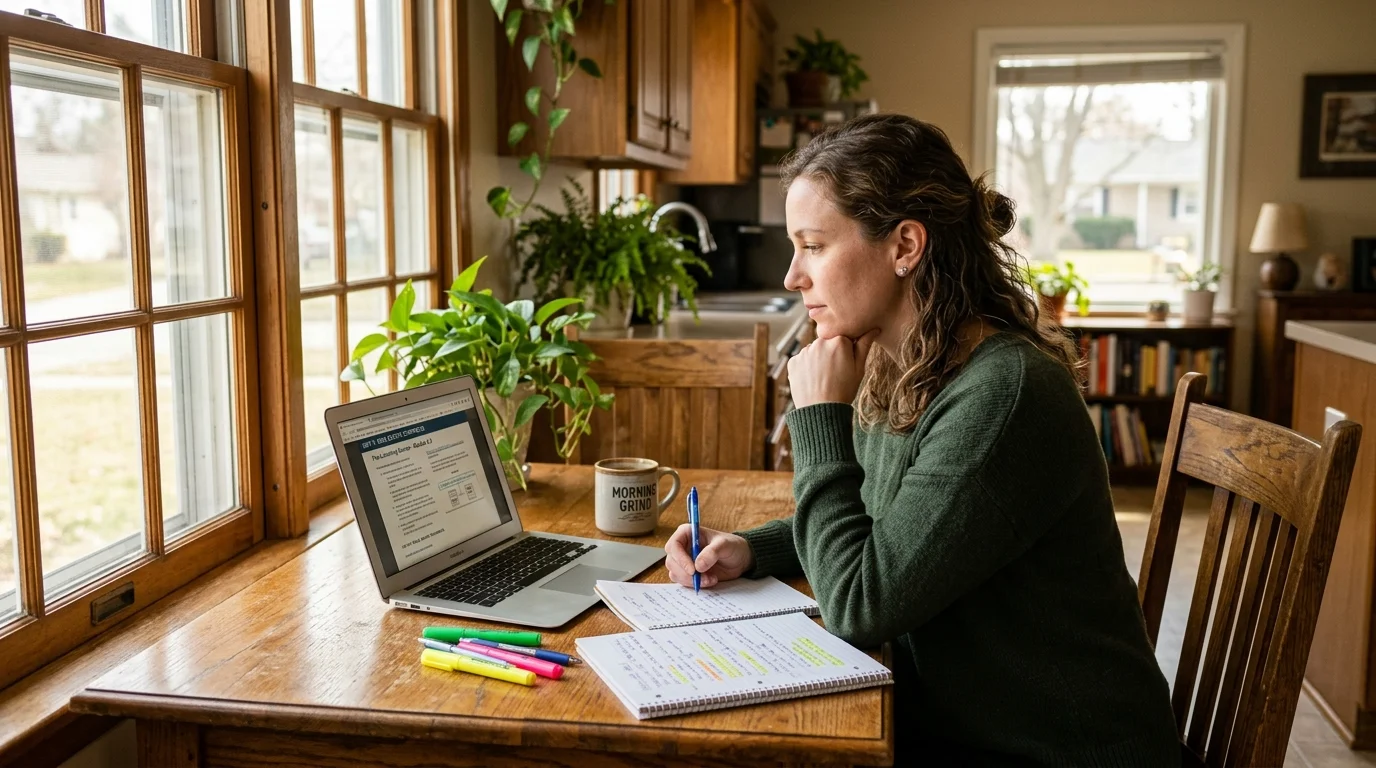
California requires three college-level courses before you can sit for the salesperson exam: Real Estate Principles, Real Estate Practice, and one elective from a DRE-approved list that includes options like Real Estate Finance or Legal Aspects of Real Estate. Each course runs 45 hours, so the full requirement adds up to 135 hours of coursework.
Most people complete these online through a DRE-approved school. Prices and pacing vary widely between providers, so it helps to compare a few before enrolling rather than picking the first ad you see.
2. Submit Your Exam Application
Once your coursework is finished, you submit the Salesperson Examination Application (RE 435) to the DRE along with proof of course completion and your Live Scan fingerprint results. Processing usually takes a few weeks, though the DRE has had backlogs that stretch this longer during busy seasons.
3. Pass the California Real Estate Salesperson Exam
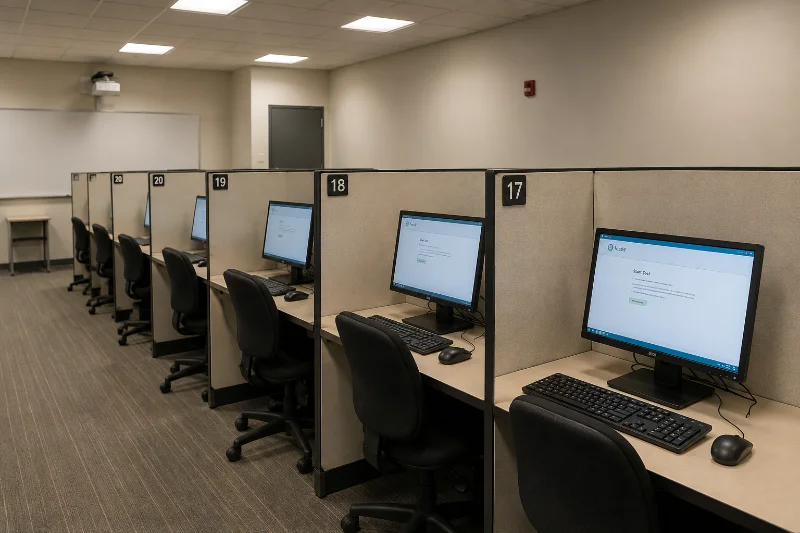
The exam has 150 multiple-choice questions and covers property ownership, contracts, financing, agency law, and real estate math. You need a score of 70 percent or higher to pass, and you get three hours and fifteen minutes to complete it.
If you fail, you can retake it, but you will need to pay the exam fee again each time. Many test-takers find the math and legal terminology sections the hardest, so a practice exam bank is worth the extra study time.
4. Find a Sponsoring Broker
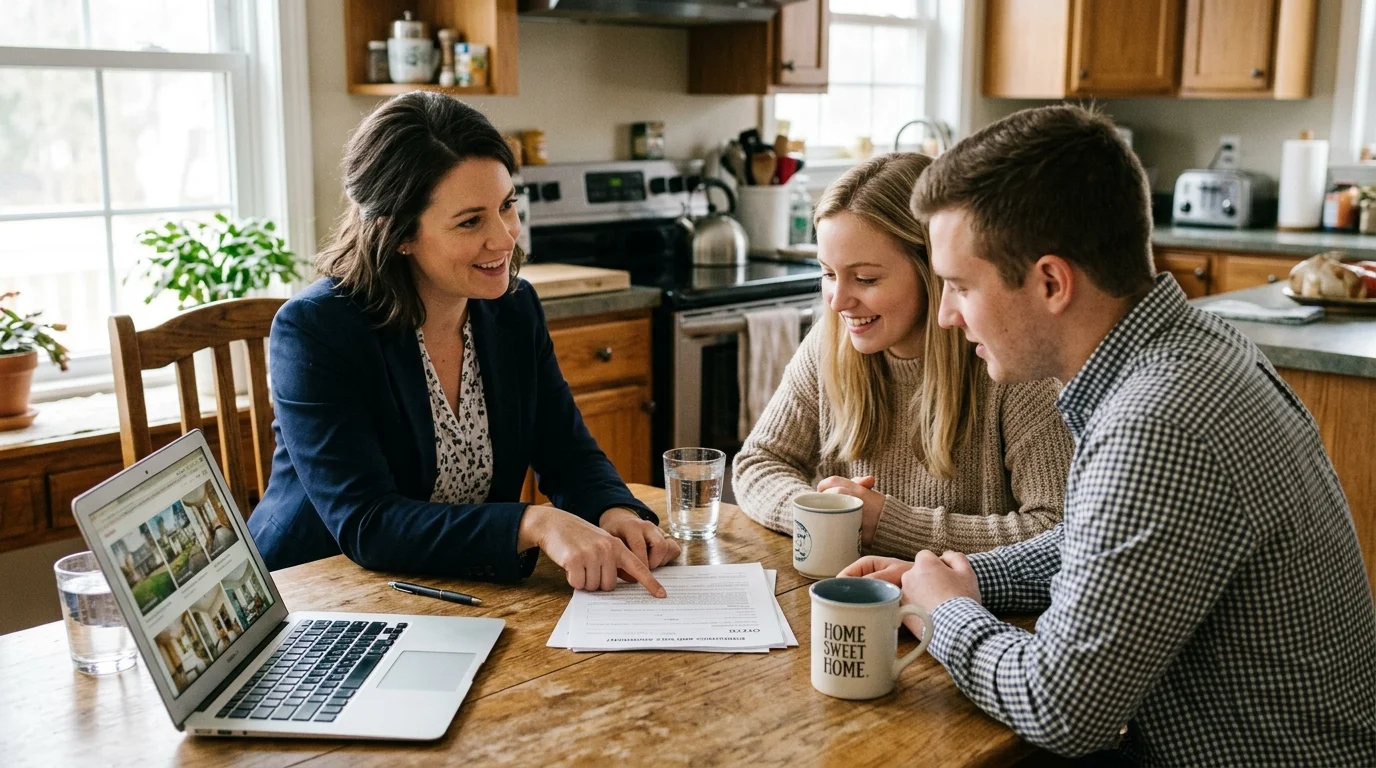
You cannot practice as a salesperson without a broker willing to sponsor your license. Many new agents line up a broker before or during the exam process, since interviewing with a few brokerages ahead of time saves weeks once you actually pass.
Commission splits, training support, and lead generation resources vary a lot between brokerages. It is worth asking current agents at a firm about their experience rather than relying only on what the recruiter says.
5. Submit Your License Application
After passing the exam, you file the Salesperson License Application (RE 202) along with your sponsoring broker’s information and the license fee. The DRE typically issues the license within a few weeks of receiving a complete application.
Cost to Get a California Real Estate License
Total costs generally fall between $500 and $1,500, depending on the course provider and how many exam attempts it takes. Here is a rough breakdown:
Pre-licensing courses: $150 to $500, depending on the school and package. Exam fee: $60. License fee: $245. Live Scan fingerprinting: $50 to $100. Optional exam prep materials: $50 to $150
Some employers or brokerages reimburse part of these costs for new agents who sign on with them, so it is worth asking during broker interviews.
How Long Does It Take
Most applicants finish in three to six months. Course completion is usually the longest stretch, since 135 hours of study takes real time even for people working through it steadily. Exam scheduling and DRE processing add a few more weeks on top of that.
Some people move faster by taking accelerated online courses and studying full time, finishing in as little as six to eight weeks. Others stretch the process over a year while balancing a full-time job, which is common and not a problem as long as course completion certificates stay valid.
California Real Estate License Renewal
A California real estate license expires every four years. Renewal requires 45 hours of continuing education, covering required topics like ethics, agency, fair housing, and trust fund handling, along with a renewal fee currently set at $245 for a timely renewal.
Missing the renewal deadline does not end your career, but it does add a late fee and a short window to complete the paperwork before the license lapses entirely.
Salesperson License vs Broker License
A salesperson license lets you handle transactions under a broker’s supervision. A broker license lets you work independently, hire other agents, and open your own brokerage, but California requires at least two years of experience as a licensed salesperson (or equivalent experience) plus additional coursework before you can apply.
Broker coursework covers eight courses instead of three, including topics like real estate appraisal, office administration, and advanced legal aspects. Many agents work as a salesperson for several years before deciding whether the broker path fits their career goals.
Getting a California real estate license comes down to finishing the coursework, passing the state exam, and lining up a sponsoring broker. The requirements are straightforward on paper, but the actual timeline depends heavily on how much time you can put into studying and how quickly a broker is ready to bring you on.