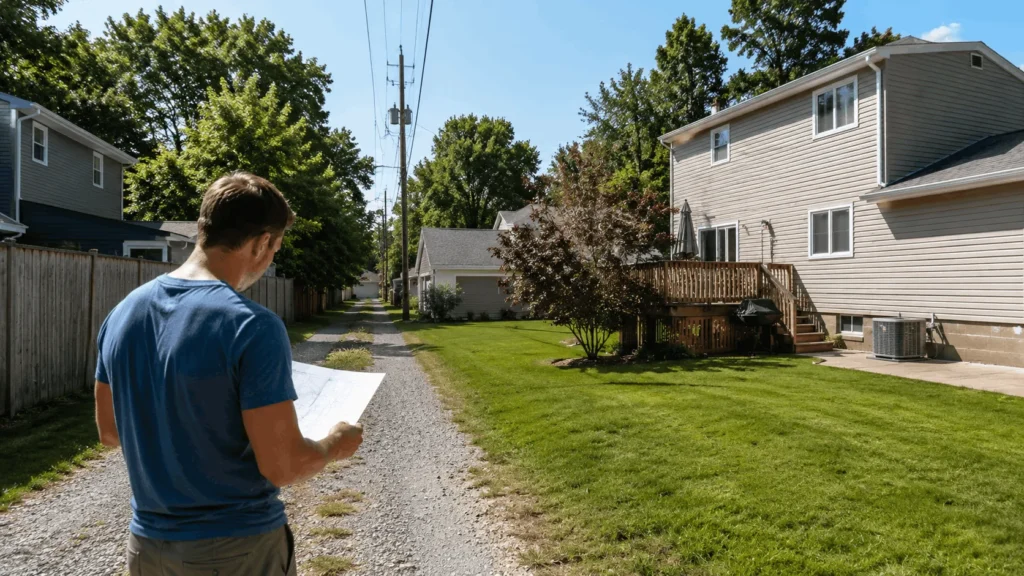

An easement in real estate is a legal right that lets someone else use part of your land for a specific purpose, without giving them ownership of it. A utility company running power lines through a corner of your yard, or a neighbor crossing your driveway to reach their garage, are both everyday examples.
Easements show up on a large share of residential properties, and most owners never notice them until a survey, a sale, or a fence dispute brings one to light. This guide walks through the main types, how each one gets created, and what an easement actually means for you as a buyer, seller, or long-term owner
Dominant and Servient Estates
Two terms come up in almost every discussion of easements, so it helps to define them early. The dominant estate is the property that benefits from the easement, and the servient estate is the property that carries the burden of it.
If your neighbor has the right to cross your land to reach a shared road, your neighbor’s parcel is the dominant estate and yours is the servient estate. The label follows the land itself, not the specific person who owns it, so a new buyer typically inherits the same rights and restrictions as the previous owner.
This is why an easement can outlast every owner involved when it was first created. A right-of-way granted decades ago between two long-sold properties can still control what the current owners build, simply because the language followed the deed rather than the people who signed it.
Easement Appurtenant vs. Easement in Gross
Easements generally fall into one of two ownership structures, and the difference matters for what happens when a property changes hands. An easement appurtenant benefits a neighboring parcel of land rather than a specific person, so it stays attached to the dominant estate and transfers automatically with a sale.
An easement in gross benefits a particular person or organization instead of another piece of land. A utility company’s right to maintain buried cables is a common example, since the right belongs to the utility itself and does not depend on the company owning any nearby property.
Common Everyday Easements
Most easements homeowners encounter fall into a handful of practical categories. Utility easements let power, water, gas, or cable companies access buried or overhead lines running through a lot. Access easements, sometimes called rights-of-way, let a neighbor or the public cross part of a property to reach a road, a shared driveway, or another parcel.
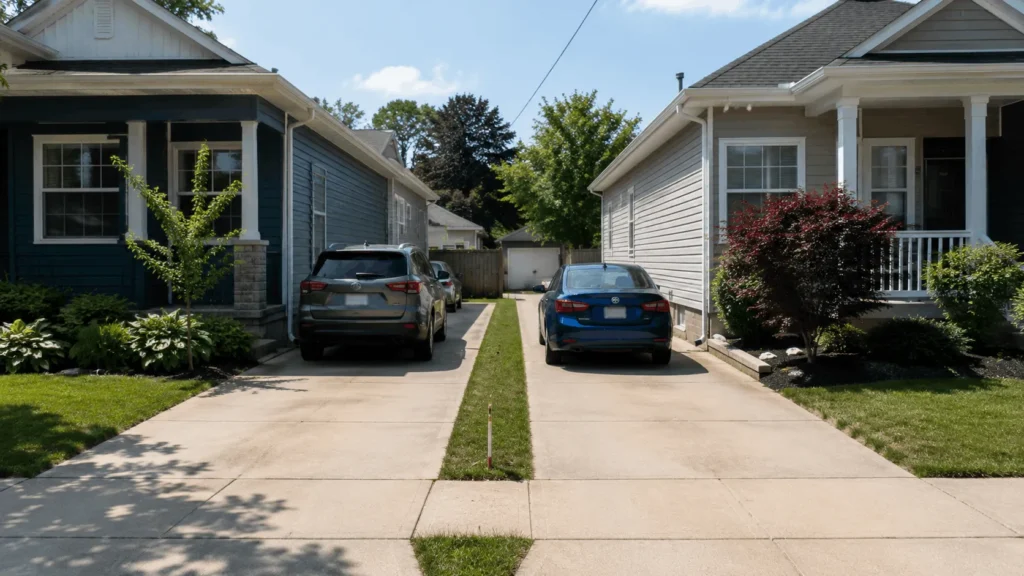
Drainage easements cover stormwater runoff between adjoining lots, which becomes relevant if you are planning to regrade a yard or add a structure that changes how water flows. Shared driveway easements are common on older, tightly platted lots where two homes were built to split a single access point.
Easements vs. Licenses and Restrictive Covenants
It helps to know what an easement is not, since the terms often get mixed up. A license is permission to use land that can be revoked at any time, such as letting a neighbor park in your driveway for a weekend. Because a license carries no permanent legal interest in the land, it does not transfer with a sale the way an easement does.
A restrictive covenant is different again. It limits how an owner can use their own property, such as a rule against fences over a certain height, rather than granting another party the right to physically use the land. Covenants usually come from a homeowners association or a subdivision’s original developer, while easements are tied to a specific use by a specific outside party
How Easements Are Created
Easements come into existence in a few distinct ways, and the method matters because it determines how strong the right is and how hard it would be to challenge in court.
Express Easement
An express easement is written down, usually in a deed, a separate recorded agreement, or a plat map. Because the terms are spelled out and filed with county land records, this is the clearest and most enforceable type, and it is the version real estate attorneys generally recommend when a new easement needs to be set up.
A well-drafted express easement spells out who can use the land, for what purpose, and under what conditions, which cuts down on disputes later. Vague language is one of the more common reasons neighbors end up in court arguing over what an old easement actually allows.
Easement by Necessity
An easement by necessity arises when a parcel would otherwise have no way to reach a public road, most often after a larger tract gets subdivided and one resulting lot ends up landlocked. Courts grant access across the neighboring parcel because the land would be unusable without it, even if no one wrote the arrangement down at the time of the split.
The key requirement is that both parcels were once under common ownership before the necessity arose. A landlocked lot that was always separately owned generally cannot claim this type of easement against a stranger’s property.
Start with the basic building block of all narrative.
Easement by Implication
An easement by implication depends on how the land was actually used before it was divided. If a driveway or path already served part of a property under single ownership, courts can find that the parties intended that use to continue once the land was split, even without a signed agreement.
A typical example involves a large lot with a single farmhouse and a well-worn access road, later split into two lots with the road crossing the new boundary line. Unlike an easement by necessity, this type does not require a total lack of alternatives, only that the prior use was reasonably necessary to the property.
Easement by Prescription
An easement by prescription, sometimes called a prescriptive easement, develops when someone uses part of another person’s land openly, continuously, and without permission for a length of time set by state law. Once that period passes, the use can ripen into a legal right, similar in concept to adverse possession but limited to use rather than full ownership.
The required time period, and the exact standard for what counts as open and adverse use, varies by state, so an established path or shared feature does not automatically create a right just because it has existed for years. A property owner who actively objects to the use, or grants formal permission for it, can generally prevent a prescriptive claim from forming.
Easement by Estoppel
An easement by estoppel comes up when a property owner gives someone permission to use land, that person relies on the permission and invests time or money based on it, and the owner later tries to withdraw the arrangement. Courts can step in and enforce the easement anyway, since it would be unfair to let the owner reverse course after the other party reasonably relied on the original promise.

A common scenario involves a neighbor who builds a driveway or runs utility lines across a corner of land after being told it was fine, only for a new owner to later claim no such right exists. The original conversation or conduct, not a signed document, is what a court examines in these cases.
How Easements Affect Buyers and Sellers
An easement rarely stops a sale, but it can change what a buyer plans to do with the land. A utility easement running through the middle of a backyard may rule out a pool or an addition in that exact spot, even though the rest of the lot is unaffected. A shared driveway easement means maintenance and repair costs are often split with a neighbor under whatever terms the original agreement set.
Sellers are generally expected to disclose known easements during the standard disclosure process, and most purchase contracts make the deal contingent on a clear title search. Lenders pay attention too, since an easement that significantly limits how a property can be used can affect appraised value and loan terms
How to Find Out if a Property Has an Easement
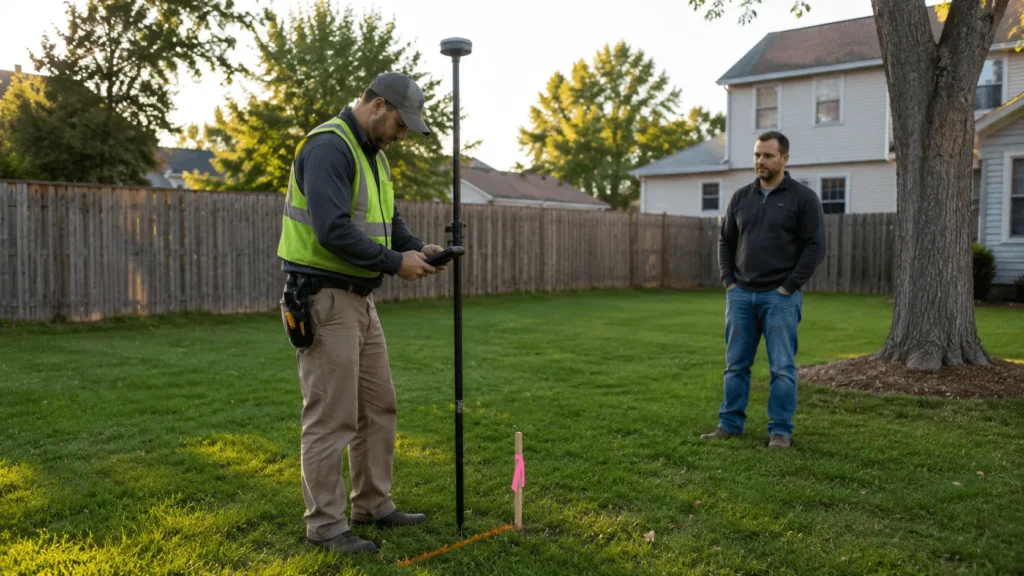
Recorded easements typically show up in three places: the property deed, the title report prepared before closing, and a current property survey. A title search run by a title company or attorney pulls any express easements filed in county land records, along with liens or other encumbrances tied to the property.
Implied, prescriptive, and estoppel-based easements are harder to spot since they are not always written down anywhere. A physical walk of the property, a conversation with long-term neighbors, and a fresh survey are the most reliable ways to catch a used path, shared well, or access route that never made it into the paperwork.
How an Easement Can End
Easements do not always last forever, though most are built to run with the land indefinitely. Merger happens when one person or entity ends up owning both the dominant and servient estates, since a property owner cannot hold an easement over their own land.
An easement created by necessity typically ends once the necessity itself goes away, such as when a new public road gives the landlocked parcel another way out. Easements can also end through abandonment, a formal release signed by both parties, or an expiration date built into the original agreement. Because ending an easement usually has real consequences for both properties involved, most owners work with a real estate attorney to confirm the right has actually terminated before treating the land as unrestricted.