

A PUD, or planned unit development, is a housing community where homeowners own their house and the land it sits on, but also share ownership or use of common areas like parks, pools, or private streets. Unlike a condo, where you only own the interior of your unit, a PUD gives you full ownership of your lot, similar to a standard single-family home.
PUDs are common across the United States, especially in newer suburban developments built after the 1960s. If you have seen a neighborhood with a shared clubhouse, walking trails, or a gated entrance, there is a good chance it was built as a PUD.
This guide explains what a PUD actually is, how it compares to condos and traditional subdivisions, what it means for your mortgage, and what questions to ask before buying a home inside one.
How a Planned Unit Development Works
A PUD is both a legal structure and a zoning designation. Local governments approve PUD zoning so a developer can build a mixed layout of homes, shared amenities, and sometimes even commercial space, all under one master plan rather than a standard lot-by-lot zoning code.
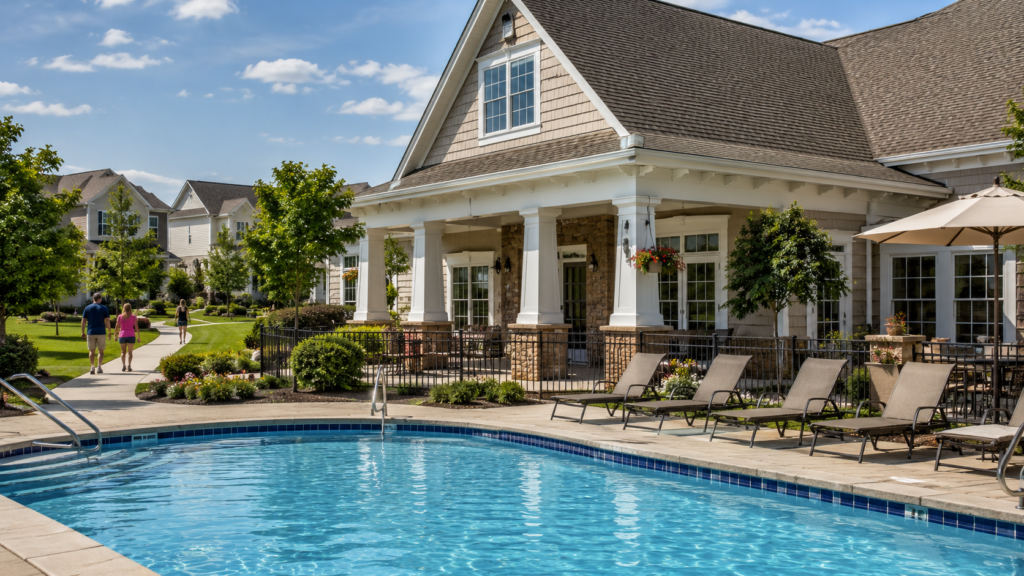
Inside that PUD zoning, individual homeowners buy their houses the same way they would buy any other single-family home. You hold the deed to your house and your lot. Where a PUD differs is that certain shared spaces, such as landscaping along the entrance, a community pool, tennis courts, or private roads, are owned collectively by all the homeowners through a homeowners association, commonly called an HOA.
Every owner pays monthly or quarterly dues to that HOA. Those dues cover maintenance of shared amenities, insurance on common areas, and sometimes landscaping for individual yards, depending on the community’s rules. In exchange, the HOA enforces a set of covenants, conditions, and restrictions, often called CC&Rs, that govern things like exterior paint colors, fence height, parking, and landscaping.
PUD vs Condo: What Is the Difference?
This is the most common point of confusion, since both PUDs and condos involve an HOA and shared amenities. The real distinction comes down to what you actually own.
In a condo, you own the airspace inside your unit, from the walls in. The building structure, roof, exterior walls, and land underneath are owned collectively by all unit owners through the condo association. This is why condo insurance usually only needs to cover interior finishes and personal property, while the association’s master policy covers the building itself.
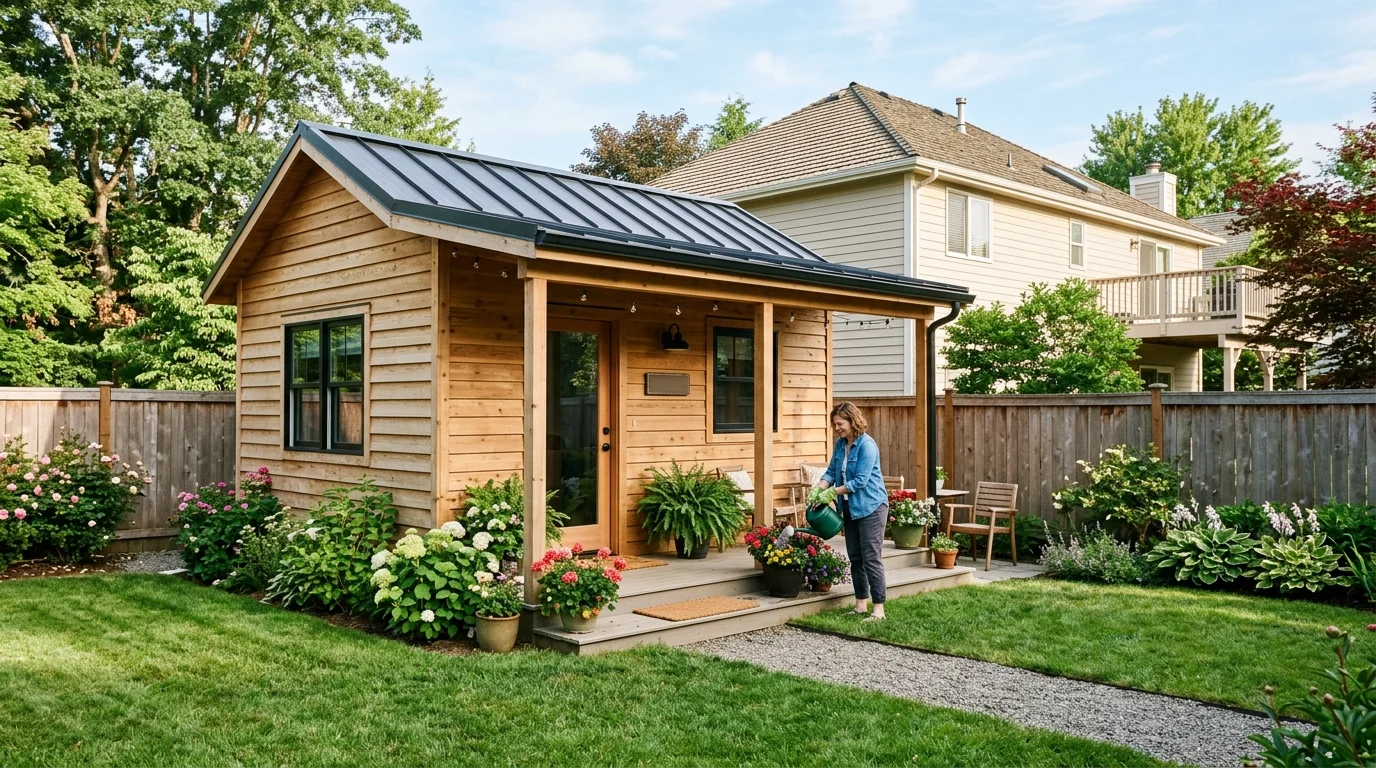
In a PUD, you own your house and the land underneath it outright, the same as any detached single-family home. The HOA only owns and maintains the shared common areas outside your property line, not any part of your actual house.
This difference matters for lenders too. Condo loans go through a separate approval process because the lender is underwriting risk tied to the entire building and the condo association’s finances, not just your unit. PUD loans are underwritten much closer to a standard single-family mortgage, since you own the structure and the land.
PUD vs a Traditional HOA Subdivision
Not every neighborhood with an HOA is technically a PUD. A traditional subdivision can also have an HOA that manages a shared entrance sign, a small park, or basic landscaping, without being zoned or legally structured as a planned unit development.
The practical difference for a buyer is usually small. Both come with monthly dues, both come with CC&Rs, and both give you full ownership of your house and lot. The PUD designation matters more to local zoning officials, developers, and mortgage underwriters than it does to your day-to-day life as a homeowner. If your closing documents or property listing describe the home as being in a PUD, expect the same kind of HOA involvement you would find in any deed-restricted community.
Types of Planned Unit Developments
PUDs vary widely depending on when and where they were built.
1. Residential PUDs
These are the most common type, made up entirely of single-family homes, townhomes, or a mix of both, arranged around shared green space or recreational amenities.
2. Mixed-Use PUDs
Some larger PUDs combine housing with retail, office space, or restaurants inside the same master planned community, letting residents walk to certain services without leaving the development.
3. Age-Restricted PUDs
Many 55 and older communities are structured as PUDs, with amenities built specifically around that demographic, such as golf courses, clubhouses, and fitness centers.
Pros and Cons of Buying a Home in a PUD
1. Advantages of a PUD
Owning in a PUD gives you full ownership of your house and land, which typically means more flexibility for renovations compared to a condo, subject to the HOA’s architectural rules. Shared amenities like pools, trails, and parks are maintained without you personally handling the upkeep. HOA-enforced standards also tend to protect property values, since neighbors cannot let their homes fall into visible disrepair.
2. Drawbacks of a PUD
Monthly HOA dues add a fixed cost on top of your mortgage, property taxes, and insurance. CC&Rs can restrict things some buyers care about, such as parking a boat in the driveway, renting out the home short-term, or painting your front door a certain color. HOA fees can also increase over time, and poorly managed associations sometimes underfund reserves, leading to special assessments for major repairs.
3. Financing a Home in a PUD
Getting a mortgage on a PUD home is generally straightforward and follows the same process as financing a standard single-family home. Fannie Mae and Freddie Mac both classify PUDs as a standard project type, meaning conventional lenders do not usually require the extensive HOA financial review that condos require.
Lenders will typically still confirm a few things during underwriting. They want to see that the HOA carries adequate insurance on common areas, that dues are current, and that there is no pending litigation involving the association that could affect property values. For FHA and VA loans, the PUD generally needs to be accepted into the lender’s system without requiring the full project approval that attached condo units often need, which is one reason PUD homes are often easier to finance than condos in the same price range.
Ask your lender early in the process whether the specific community is already recognized as an approved PUD project. This can speed up your closing timeline.
PUD HOA Fees and Rules
HOA dues in a PUD vary enormously depending on the amenities offered. A basic PUD with only a shared entrance and minimal landscaping might charge under 100 dollars a month. A PUD with a golf course, clubhouse, and full-time staff can charge several hundred dollars a month or more.
Before making an offer, request the HOA’s current budget, reserve study, and CC&Rs. The reserve study tells you whether the association is saving enough for major future repairs, like resurfacing private roads or replacing a clubhouse roof. A poorly funded reserve is a warning sign that a large special assessment could be coming.
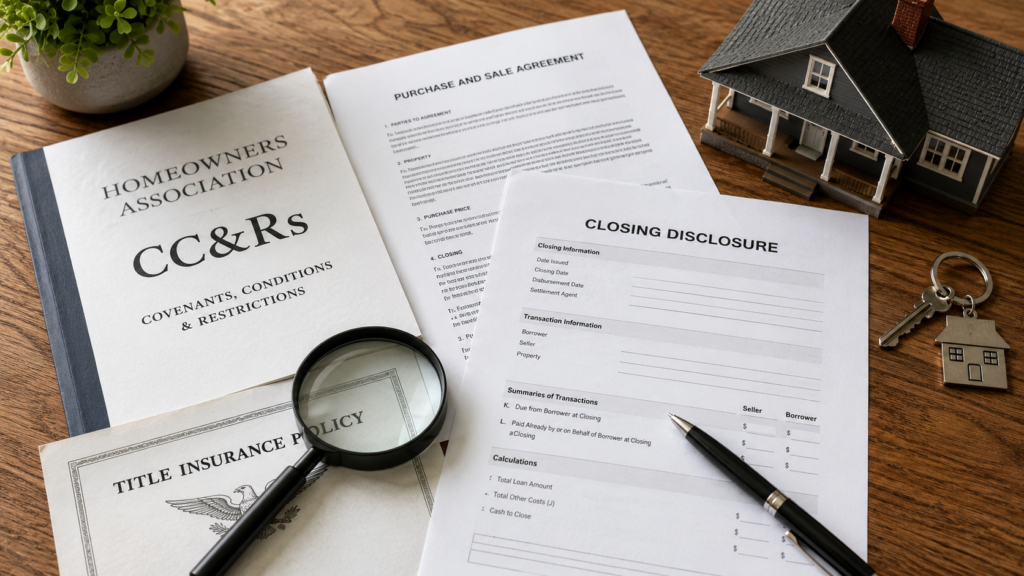
Also review the rental policy if you plan to lease the home out in the future. Some PUDs cap the percentage of homes that can be rented at any given time, or require a minimum lease term.
How to Tell If a Property Is in a PUD
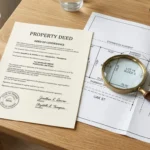
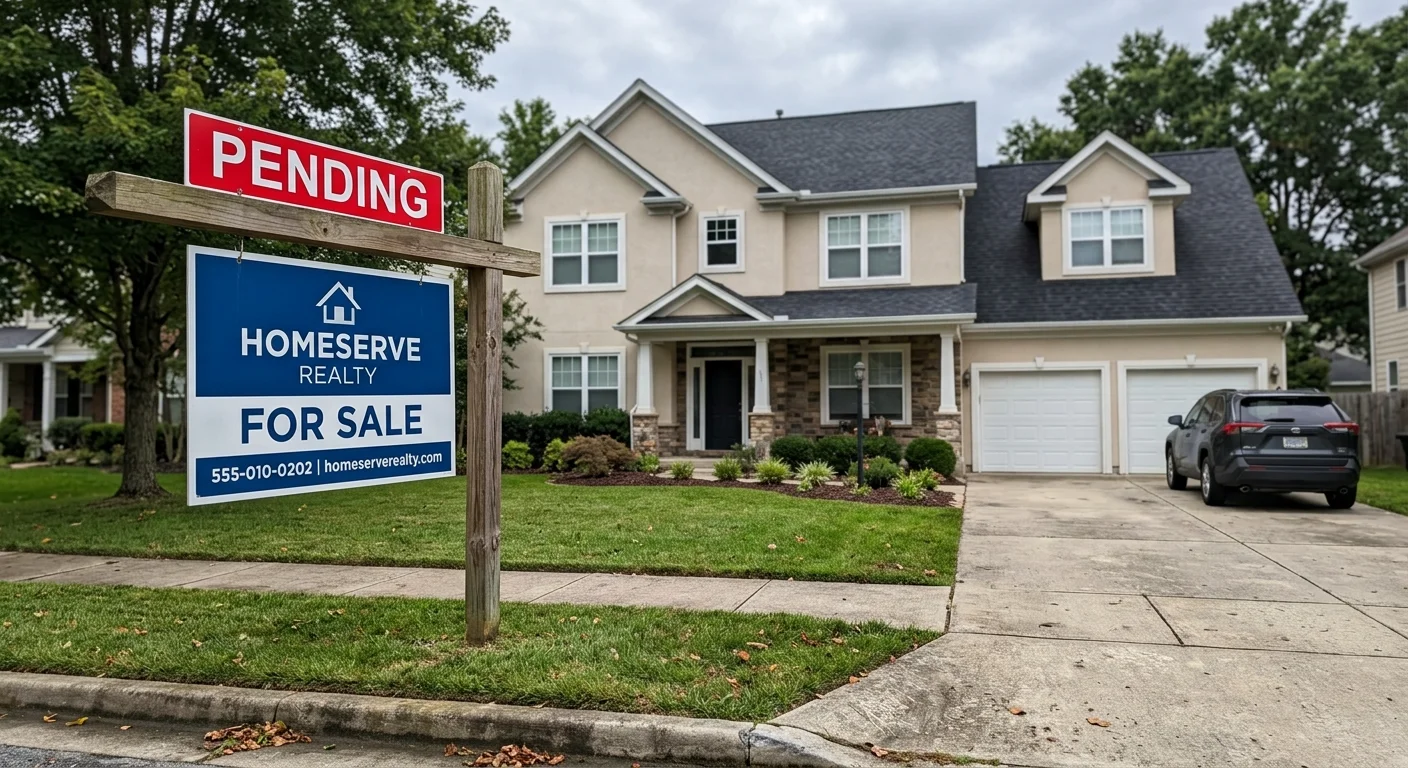
The listing itself will often state the property type as PUD, planned unit development, or single-family attached or detached within a planned community. If it is not obvious, check the property’s deed, the county assessor’s records, or ask the listing agent directly. Your title company will also confirm this during the title search, since PUD properties carry recorded CC&Rs tied to the land itself.
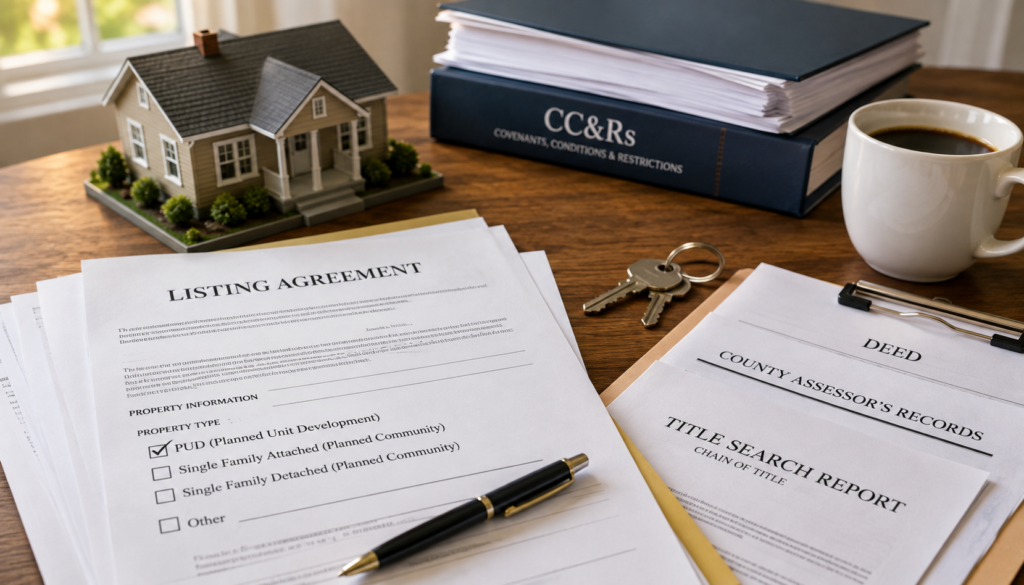
If you are working with a real estate agent, ask them to pull the HOA disclosure package as early as possible, since some states require it to be provided within a set number of days after your offer is accepted.