


Most people who search for how to start real estate investing already know why they want in. They want rental income, equity, or a way out of renting forever. What stops them is the first move: which property type to target, how much capital is really required, and whether a real estate license matters. For most investors it does not. You can buy your first rental, structure a house hack, or invest in a REIT without ever getting licensed. The path for someone with eight thousand dollars saved looks nothing like the path for a contractor who wants to flip houses on weekends. This guide covers both routes, along with the numbers, financing, and team you need before making an offer. None of it requires a finance degree, just a clear plan and the discipline to follow it deal by deal.
Decide What Kind of Real Estate Investor You Want to Be
Before you look at a single listing, decide how hands-on you want to be and how much capital you can commit. Every strategy below trades effort for control, and control for liquidity. Picking the wrong fit is the fastest way to burn out before your first closing. Most investors also change strategies over time, starting with something small and low-risk before moving into bigger or more active deals.
1: Buy-and-Hold Rentals
You buy a property, rent it out, and hold it for years while tenants pay down your mortgage. This is the slowest path to build wealth, but also the most forgiving of market timing. It suits investors who want steady cash flow and don’t mind managing tenants or hiring a manager.
2: House Hacking
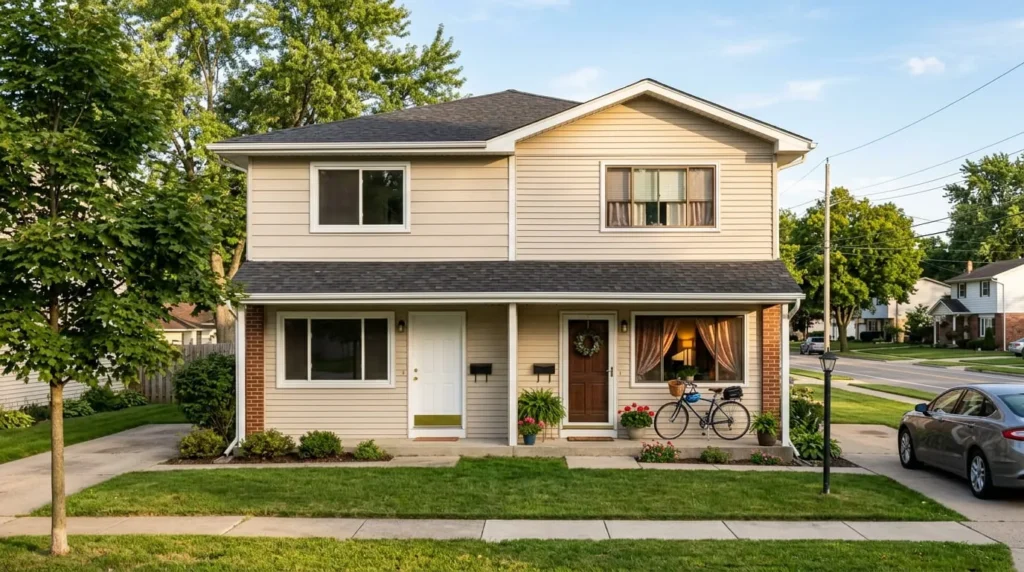
You buy a duplex, triplex, or fourplex, live in one unit, and rent out the rest. Rental income covers most or all of your mortgage, and owner-occupant financing means a far smaller down payment than a pure investment purchase. It is the most capital-efficient way for a beginner to start.
3: Fix-and-Flip
You buy a distressed property below market value, renovate it, and sell for a profit within months instead of years. Flipping demands accurate renovation budgeting, a reliable contractor, and enough reserves to cover holding costs if the sale takes longer than planned. It carries more risk than renting.
4: REITs and Real Estate Crowdfunding
You buy shares in a company or fund that owns income-producing property, without buying property yourself. This is the lowest-effort, most liquid way to start real estate investing, and it works well for beginners who want exposure without managing tenants or repairs.
5: Wholesaling
You put a distressed property under contract at a low price, then assign that contract to another investor for a fee. You never take ownership or need a mortgage, which makes it the strategy requiring the least capital. It rewards deal-finding and negotiation skills over savings.
How to Start Real Estate Investing With Little or No Money
Not having a large down payment saved is the most common reason people delay getting started. Several paths need far less capital than buying a rental property outright.
An owner-occupant loan is usually the cheapest entry point. FHA loans allow as little as 3.5 percent down on a property with up to four units, as long as you live in one of them, which makes house hacking especially accessible. Veterans and active service members can often use a zero-down VA loan, and buyers in eligible rural areas may qualify for a zero-down USDA loan.
If you would rather skip a mortgage entirely, seller financing lets the property owner act as the lender, often with a smaller down payment and more flexible terms than a bank. Wholesaling requires no purchase at all, since you profit from assigning a contract instead of closing on the property. REITs and crowdfunding platforms let you start with a few hundred dollars instead of a down payment, trading direct control for lower effort. Partnering with someone who funds the deal while you manage it is another common way to start real estate investing without touching your own savings.
Learn the Numbers Before You Make an Offer
A property that looks good in listing photos can still lose money every month. Before you start real estate investing seriously, learn to run four numbers on any property you consider.
Cash flow is your rental income minus every expense, including the mortgage, taxes, insurance, vacancy, and maintenance reserves. Cap rate measures a property’s return based on its price, useful for comparing deals but less useful once your specific financing enters the picture. Cash-on-cash return measures your annual cash flow against the actual cash you put in, which matters most if you are using a mortgage. The one percent rule, where monthly rent should roughly equal one percent of the purchase price, is a rough screening tool rather than a guarantee, and it does not hold in every market. Run these numbers before you fall in love with a property, not after. Also confirm you can still cover three to six months of mortgage payments from savings even if the property sits vacant, since a great deal on paper can still strain your finances without that cushion.
Build Your Team Before You Need It
Real estate investing is not a solo sport, even for a single rental property. A real estate agent who works with investors, not just homebuyers, will understand cash flow and comparable rents. A lender or mortgage broker can show you what you actually qualify for before you start touring properties. A home inspector protects you from buying someone else’s expensive problem, and a reliable contractor keeps repair estimates realistic. A property manager becomes worth the fee once you own more than one rental or live far from it. A CPA who understands real estate can often save you more than the rest of your team combined. You do not need every relationship in place before your first offer, but you should know who to call before you need one urgently.
Get Your Financing and Legal Structure in Order
Get pre-approved before you start viewing properties, not after you find one you like. Your credit score, debt-to-income ratio, and cash reserves determine both your interest rate and how much lenders will let you borrow. Many new investors form an LLC to hold rental property for liability protection, but moving an already-mortgaged property into an LLC can trigger your lender’s due-on-sale clause. Talk to your lender and an attorney before transferring title. A tax advisor can also walk you through depreciation and other deductions available to real estate investors, which often separate a break-even property from a profitable one on paper. Landlord insurance is worth pricing early too, since it costs more than a standard homeowner policy and should be built into your monthly numbers from the start.

Find and Analyze Your First Deal
Your first deal will usually come from one of three places: the open market through an agent, an off-market lead from direct outreach or a wholesaler, or a foreclosure or auction listing. Off-market deals often come at a discount but require more due diligence, since you may not get a full inspection period.
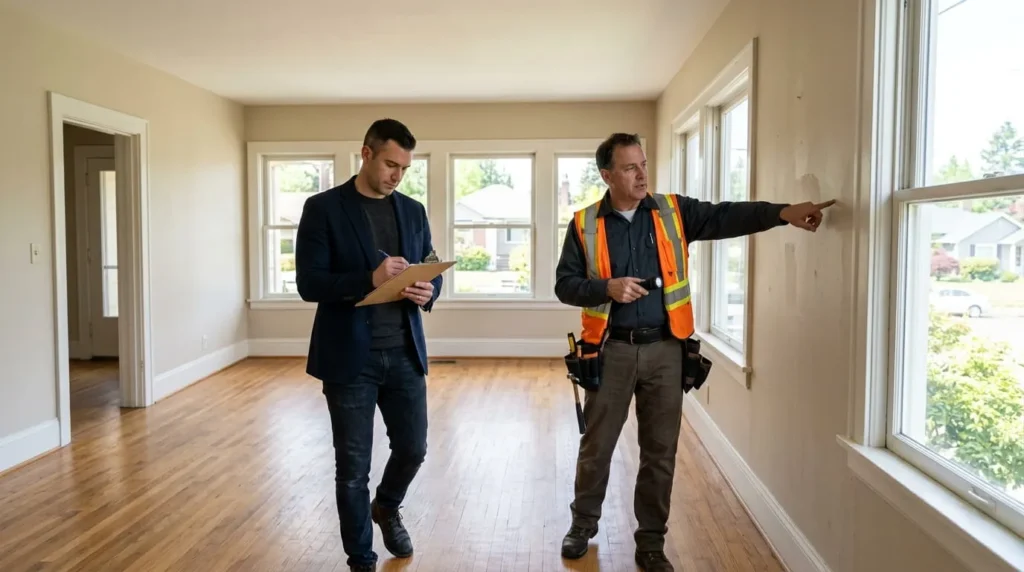
Whichever source you use, analyze the deal in writing before you make an offer. Estimate rent using comparable listings, not the seller’s optimistic number. Get a contractor’s rough estimate on any needed repairs before closing, not after. Build in a vacancy allowance and a maintenance reserve, since an empty month or a broken water heater will happen eventually. If the numbers only work under best-case assumptions, walk away and look at the next property instead.
Common Mistakes First-Time Investors Make
Most beginner mistakes come from moving too fast rather than picking the wrong strategy. Skipping the inspection to win a competitive offer is one of the costliest, since hidden repairs can erase a year of cash flow. Underestimating expenses, especially maintenance and vacancy, makes a property look profitable on paper when it is not. Over-leveraging by stretching to the maximum loan amount leaves no room for a slow month or a surprise repair. Buying based on how a property feels, rather than what the numbers show, is how experienced investors end up with properties they regret. Keeping no cash reserves turns a manageable repair into a financial emergency fast. Waiting for a perfect property is its own mistake too, since a solid deal today usually beats a hypothetical better one that never appears.
Your First 90 Days
Spend your first month getting pre-approved, running numbers on ten to twenty listings, and talking to at least one investor-friendly agent and lender. Spend the second month touring properties and making offers, expecting several to fall through before one sticks. By the third month, aim to be under contract or actively negotiating on a property that meets the numbers you set earlier. Momentum matters more than perfection when you start real estate investing, since your second deal will always be easier than your first. Track what you learn from every offer that falls through, because that record becomes the playbook you use to move faster on deal number two.