

What is contingent in real estate? It means a seller has accepted a buyer’s offer, but the deal is not final yet. One or more conditions, called contingencies, still have to be satisfied before the sale can close.
You’ll usually see this label on a listing site such as Zillow, Redfin, or your local MLS the moment an offer moves from “active” toward a signed contract. It does not mean the sale fell through, and it does not mean the house is fully off the table for other buyers. It sits in between: an offer both sides agreed to, with real conditions still hanging over it
What Contingent Means in a Real Estate Contract
The contingent meaning in real estate comes down to a simple contract mechanic. A contingency is a clause written into the purchase agreement stating that the contract only becomes fully binding once a specific condition is met by a specific date. If that condition is not met, the buyer can usually cancel the deal and get their earnest money deposit back.
Contingencies exist because a home purchase happens in stages. A buyer signs a contract before the home has been inspected, before a lender has finished underwriting the loan, and before a title company has confirmed the property is free of liens. Each contingency gives the buyer a window to confirm those things without losing their deposit if something goes wrong.
Contingent vs. Pending vs. Under Contract
These three terms confuse a lot of buyers because they all describe a home that already has an accepted offer. The difference is how far along the deal is.
| Status | What It Means | Can You Still Offer? |
| Under Contract | Offer accepted, contingencies still open | Sometimes, as a backup |
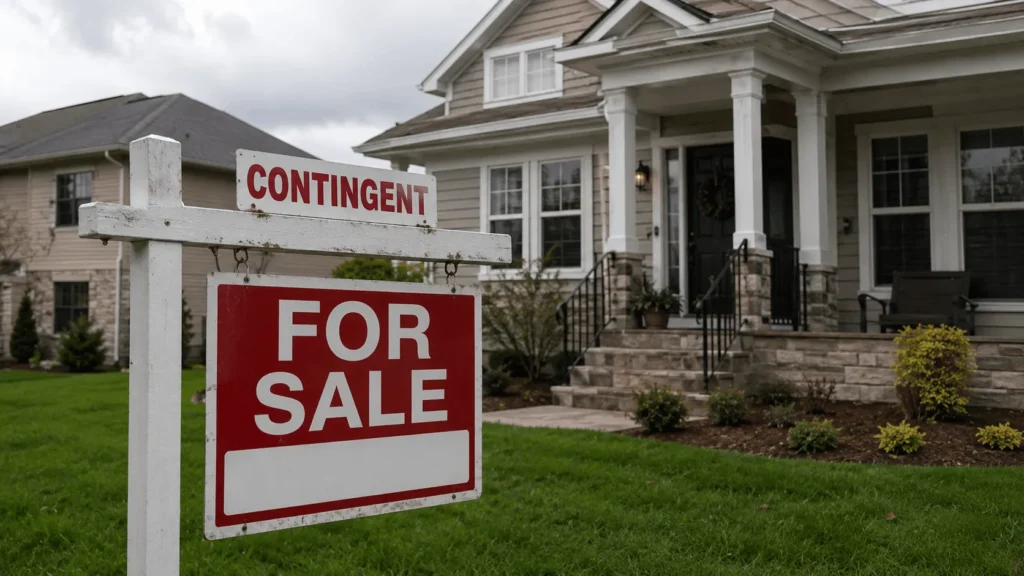
| Contingent | Offer accepted, specific conditions (inspection, financing, appraisal) not yet cleared | Sometimes, depending on the sub-status |
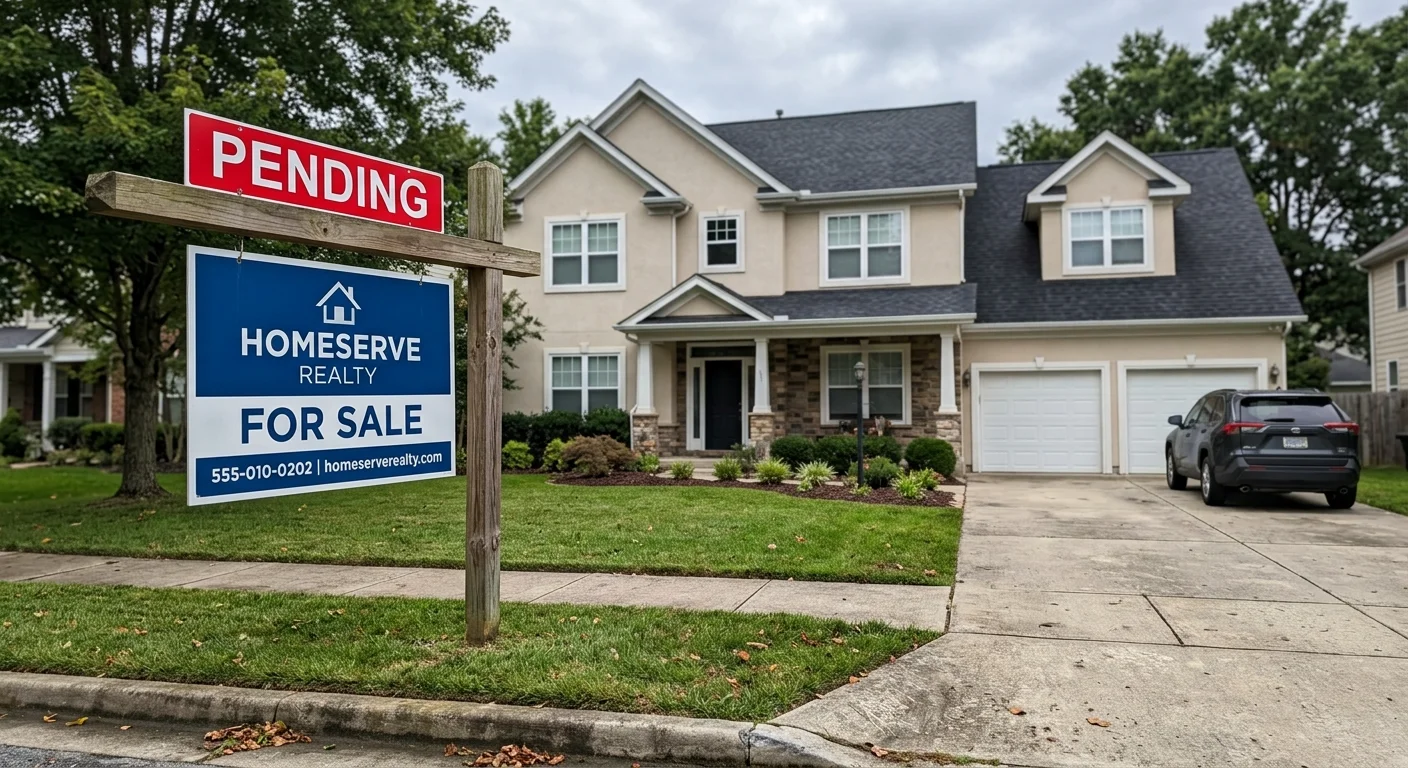
| Pending | Contingencies cleared, sale moving toward closing | Rarely, and usually only informally |
In many markets, “under contract” and “contingent” describe the same stage of a deal, and some MLS systems use the terms interchangeably. Others treat “under contract” as the broader umbrella and “contingent” as a specific sub-status inside it. Local terminology varies too. Some regions use “active under contract” or “accepting backup offers” instead of “contingent,” which is why the same home can show different statuses on Zillow, Redfin, and Realtor.com at the same time.
Common Types of Real Estate Contingencies
Once you understand what is contingent in real estate at a high level, the next question is which conditions typically show up in a contract. Most residential purchase agreements include more than one contingency at a time. According to Zillow’s 2024 Consumer Housing Trends Report, 66% of buyers said their final offer was contingent on the home passing inspection, 56% included a financing contingency, and 52% included an appraisal contingency.
Home Inspection Contingency
This gives the buyer a set window, typically seven to fourteen days, to hire a licensed inspector and review the home’s condition. If the inspector finds a problem, such as a failing roof or an outdated electrical panel, the buyer can ask the seller for repairs or a price credit, or walk away and keep their deposit.

Financing Contingency
Also called a mortgage contingency, this protects a buyer who has not finished securing a loan when the contract is signed. If the lender denies the loan within the agreed timeframe, the buyer can cancel the contract without forfeiting their deposit. Financing is not a minor detail here. The National Association of Realtors reports that 74% of recent buyers financed their purchase instead of paying cash, and purchase loans are currently taking more than 40 days to close on average. Buyers who are already fully underwritten before they make an offer tend to move through this contingency with fewer surprises, since most of the lender’s work has already happened.
Appraisal Contingency
Lenders will not finance more than a home’s appraised value. If the appraisal comes in below the agreed price, this contingency lets the buyer renegotiate the price, cover the gap in cash, or exit the deal. It matters most in competitive markets where offers regularly go above the asking price.
Home Sale Contingency
Here, the purchase depends on the buyer selling their current home first. Sellers tend to see this as the riskiest contingency to accept, since the deal now depends on a second, separate sale closing on time.
Title Contingency
A title company searches public records to confirm the seller can legally transfer clean ownership. If the search turns up an unpaid lien, a boundary dispute, or an unresolved claim from a previous owner, this contingency gives the buyer a way out until the issue is resolved.
How Long a Home Stays in Contingent Status
Most contingency periods run 30 to 60 days from the date the contract is signed, though the exact number is negotiated between buyer and seller and written into the contract itself. A shorter, related sub-status sometimes labeled “active contingent” usually lasts one to three weeks and covers the early window when inspection and financing contingencies are still being worked through.
Once every contingency in the contract has been satisfied or waived, the listing status typically changes to pending, and the transaction moves into closing preparation.
What Happens If a Contingency Isn’t Met
If a contingency deadline passes and the condition was never satisfied, the buyer typically has the right to cancel under the terms already written into the contract. Both parties usually have to sign a mutual cancellation or release form before the deal is officially dead and any escrow funds move.
Once that release is signed, the earnest money deposit is returned to the buyer through the escrow or title company holding it, assuming the buyer canceled for a reason the contract actually protects, such as a failed inspection or a denied loan. If a buyer walks away for a reason outside their contingencies, they risk forfeiting that deposit to the seller instead.
On the listing side, the home usually reverts to active status, and some MLS systems tag it “back on market” (BOM) for a short period so other agents can see it recently had a deal collapse. Sellers are free to accept a backup offer immediately if one is already in place, which is one more reason backup offers have real value even in a hot market.
Contingent Listing Sub-Statuses to Know
Not every contingent real estate listing means the same thing on the ground. Depending on the MLS, you might see one of these more specific labels attached.
- Continue to show, often shortened to CCS, means the seller accepted an offer but is still showing the home and welcoming backup offers, usually because they have doubts the current deal will close.
- No-show means the seller accepted an offer and has stopped showing the home to new buyers.
- Contingent with kick-out means the seller can cancel the current contract if a stronger offer comes in, effectively removing the original buyer.
- Contingent with no kick-out means the seller has committed to the current buyer and will not consider other offers unless the deal falls apart on its own.
Can You Make an Offer on a Contingent Listing?
Yes, in most cases, though it comes with real limits. A new offer on a contingent home typically becomes a backup offer, one that only moves forward if the existing contract falls apart. Your agent can usually tell you which contingent sub-status applies and whether the seller is actively entertaining backups.
The odds are not in a backup buyer’s favor. National Association of Realtors data, as cited by industry outlets including Inman and HomeLight, puts the share of contingent offers that ultimately fall through at less than 5%. That said, less than 5% is not zero, and a well-positioned backup offer costs nothing to submit if you genuinely want the home
Before you write one, a few steps make a real difference. Get fully pre-approved, not just pre-qualified, so your offer can move fast if the primary deal collapses. Ask your agent to confirm the exact sub-status, since a home marked “no-show” is a much longer shot than one marked “continue to show.” And keep your backup offer clean, with few contingencies of your own, since sellers who are fielding backups are usually looking for the least complicated path to a second closing.
What Contingent Means for Buyers and Sellers
If You’re the Buyer
A contingent status protects you. It buys time to inspect the home, finalize your loan, and confirm the title is clean, without risking your earnest money if something turns up. If you’re house hunting and find a home marked contingent, you can still submit a backup offer, but treat it as a secondary option and keep looking at active listings in the meantime.
If You’re the Seller
Once your buyer’s contingencies clear, you’re close to a done deal. Until then, track each contingency deadline in your contract so you know exactly when the buyer is expected to inspect, secure financing, and confirm the appraisal. If your listing allows backup offers, keeping the home visible on the MLS gives you a fallback if the current contract doesn’t make it to closing.