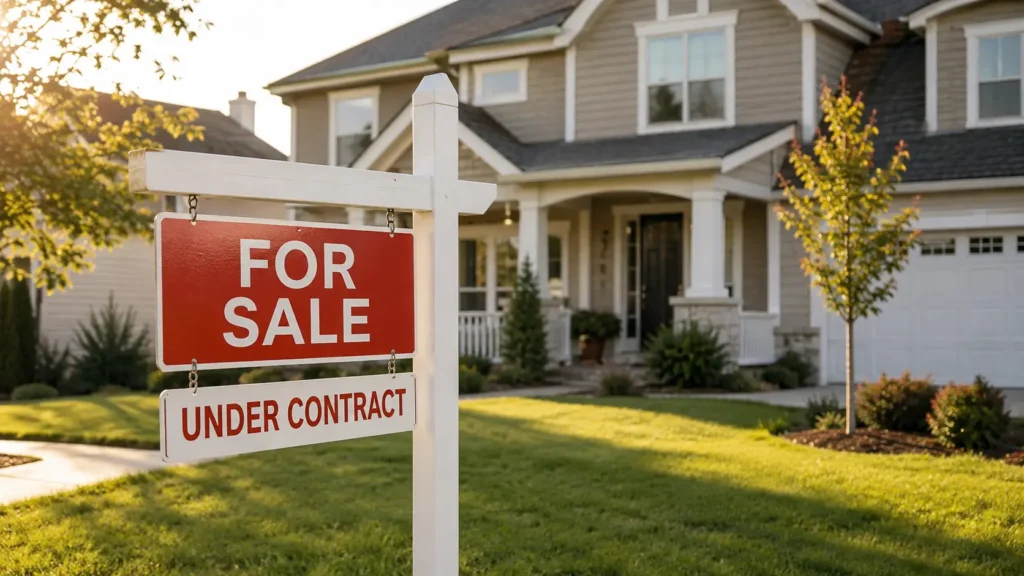

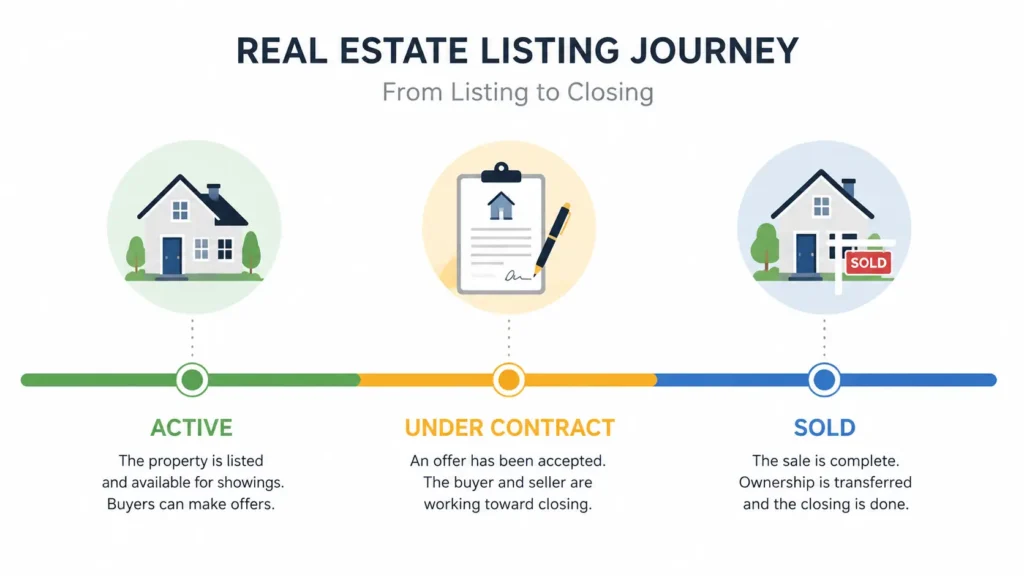
When a home listing shows “under contract,” it means the seller has accepted an offer from a buyer, and both parties have signed a purchase agreement. The property is not yet sold. It has moved into a transitional phase where the buyer and seller are working through inspections, financing, and other conditions before the sale can close.
This status sits between “active” and “sold.” The home is technically off the open market, but the deal can still fall apart if contingencies in the contract are not satisfied. Understanding this distinction matters whether you are a buyer trying to gauge your odds, a seller wondering what comes next, or someone browsing listings and wondering why a home you like already has an offer attached to it.
What Happens When a Home Goes Under Contract
Once a seller accepts an offer, the buyer and seller sign a purchase agreement that spells out the price, closing date, and any conditions that must be met before the sale finalizes. At that point, the listing status changes from “active” to “under contract” (some MLS systems label it “pending” instead, though the two terms are often used interchangeably with slightly different meanings, covered below).
From here, several things typically happen in sequence:
The buyer schedules a home inspection, usually within the first week or two after the contract is signed. The buyer’s lender orders an appraisal to confirm the home’s value supports the loan amount. The buyer finalizes mortgage approval, submitting any additional documentation the underwriter requests. The title company or attorney conducts a title search to confirm the seller has clear ownership. Both parties work toward the closing date named in the contract.
Any one of these steps can surface an issue that stalls or kills the deal. An inspection might reveal a cracked foundation the seller refuses to fix. An appraisal might come in below the offer price, forcing renegotiation. A buyer’s financing might fall through. This is why “under contract” is not the same as “sold,” even though the home is no longer being actively marketed to other buyers in most cases.
Under Contract vs. Pending: Is There a Difference
The two terms get used loosely and vary by region and MLS system, but there is a general distinction worth knowing.
Under contract usually means the home has an accepted offer, but contingencies (inspection, financing, appraisal) are still outstanding. The seller may still accept backup offers in case the primary deal collapses.
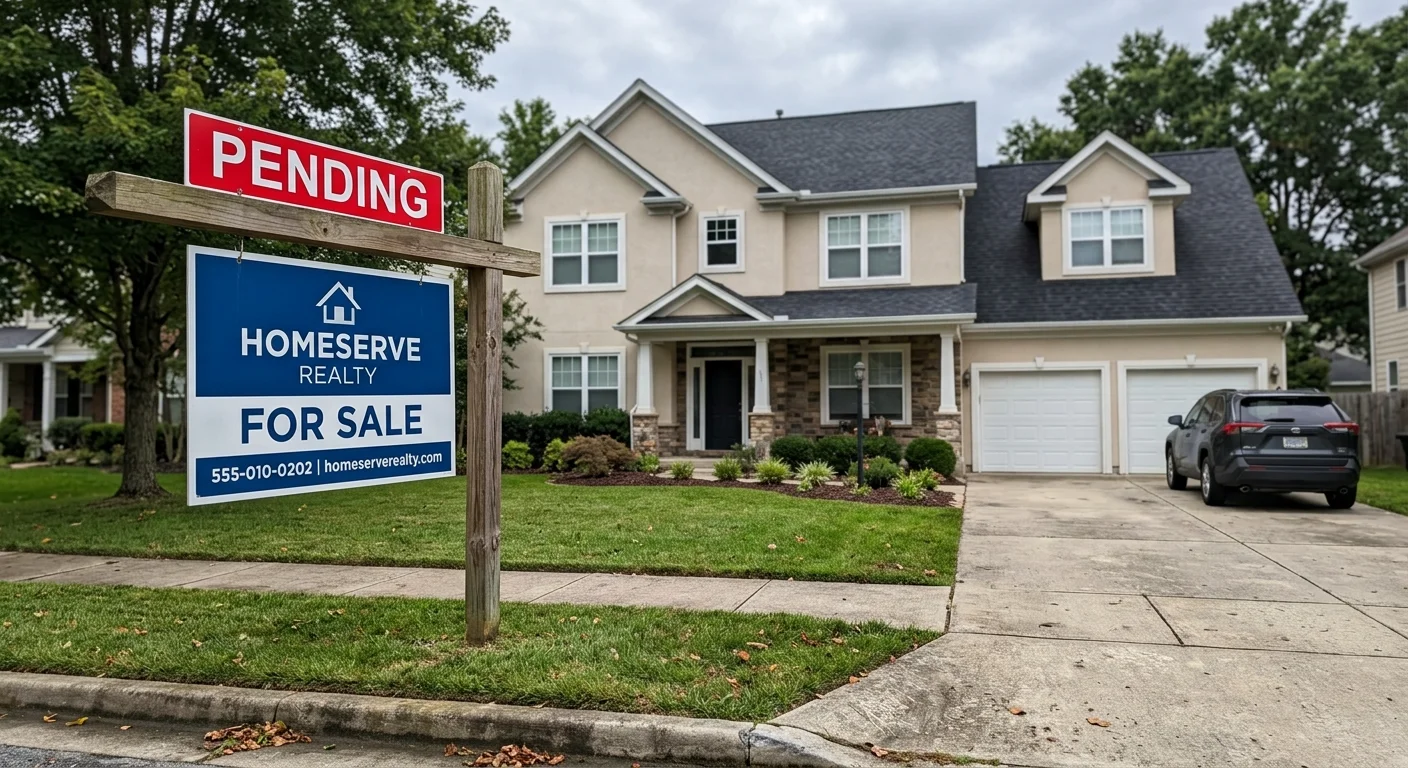
Pending usually means the contingencies have been cleared or waived, and the transaction is now just waiting on paperwork and the scheduled closing date. Some MLS platforms break “pending” into subcategories like “pending, taking backups” or “pending, short sale.”
In practice, many real estate agents and listing sites use “under contract” and “pending” interchangeably, so the safest move if you are house hunting is to contact the listing agent directly and ask exactly where the deal stands, rather than assuming based on the label alone.
Can You Still Make an Offer on a House That Is Under Contract
Yes, in most cases you can submit what is called a backup offer. Sellers are not obligated to accept it, but many will, particularly if the current deal has a financing contingency or an unusually long inspection period that makes them nervous about it closing.
A backup offer works like this: your agent submits your offer with a clear note that it is contingent on the primary contract falling through. If the current buyer backs out or fails to meet a deadline in the contract, the seller can then move to your offer without having to relist the property and start the marketing process over.
This is worth pursuing if you are genuinely interested in a home that is under contract, especially in slower markets where deals fall through more often, or if the listing has been under contract for an unusually long stretch without moving to “pending” or “sold.” Ask the listing agent how the transaction is progressing before deciding whether to submit a backup offer; some are close to closing, while others show clear signs of trouble.
What Contingencies Can Cause a Sale to Fall Through
Contingencies are conditions written into the purchase agreement that must be met for the sale to proceed. The most common ones include:
A financing contingency lets the buyer walk away if their mortgage does not get approved, typically within a set window such as 30 to 45 days. An inspection contingency lets the buyer renegotiate or cancel if the inspection uncovers significant problems. An appraisal contingency protects the buyer if the home appraises for less than the agreed purchase price. A home sale contingency makes the purchase dependent on the buyer successfully selling their current home first. A title contingency ensures the seller can convey clear ownership, free of unresolved liens or disputes.
Each contingency includes a deadline. If a buyer does not act (or object) within that window, the contingency is typically considered waived, and the deal moves closer to being unconditional, meaning it is far less likely to collapse from that point forward.
How Long Does a Home Stay Under Contract Before Closing
Most residential transactions in the United States close within 30 to 60 days of going under contract. Cash purchases with no financing contingency can close in as little as one to two weeks, since there is no lender underwriting timeline to wait on. Deals involving a mortgage typically need the full 30 to 45 days for the lender to complete underwriting, order the appraisal, and clear the loan for closing.
Several factors can extend this timeline: a slow-moving lender, a home sale contingency tied to the buyer’s current property, repairs the seller agreed to complete before closing, or delays in the title search. If you see a listing that has been under contract for several months with no movement, it is a reasonable sign that something in the transaction has hit a snag.
What Sellers Should Know About the Under Contract Period
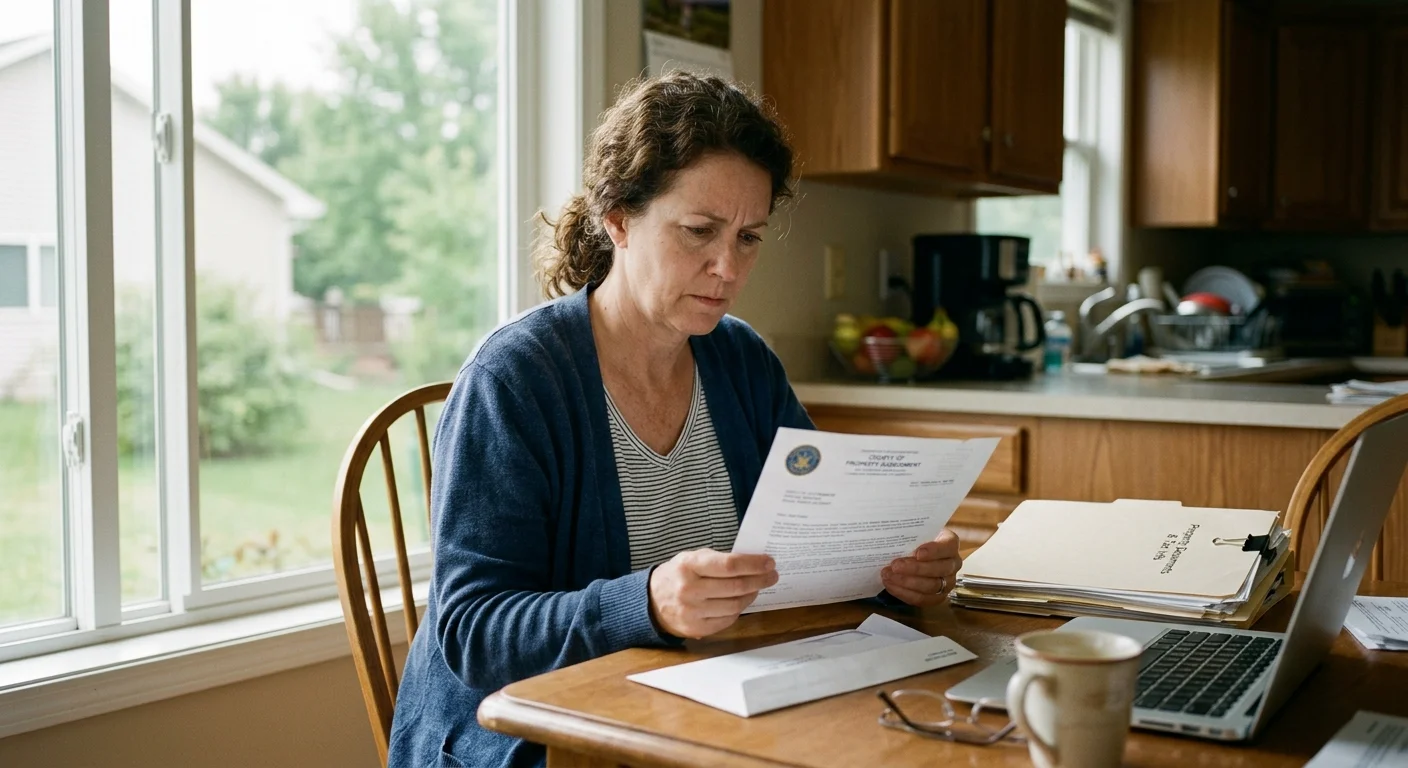
For sellers, going under contract does not mean the work is finished. It is common for sellers to make several mistakes during this window that create unnecessary risk:
Continuing to make major changes to the home, such as starting a new renovation, can complicate the inspection and closing process. Taking on new debt or making large purchases can occasionally affect a related transaction if the seller is also buying another home contingent on this sale. Failing to respond promptly to inspection repair requests can create delays or, in some cases, give the buyer grounds to cancel. Not preparing for the final walkthrough, which happens shortly before closing and confirms the home is in the agreed condition.

A seller’s agent typically manages communication with the buyer’s agent throughout this period, but sellers should stay responsive and avoid assuming the sale is guaranteed until it actually closes.
What Buyers Should Do While a Home Is Under Contract
Buyers have the most active role during this period, since most contingencies exist to protect them. A few practical steps matter most:
Schedule the home inspection as early as possible so there is time to negotiate repairs or credits if problems turn up. Stay in close contact with the mortgage lender and respond quickly to any document requests, since underwriting delays are one of the most common reasons closings get pushed back. Avoid making large purchases or opening new credit accounts before closing, since lenders re-check credit and debt levels shortly before funding the loan. Get homeowners insurance lined up in advance, since most lenders require proof of an active policy before closing. Confirm the final walkthrough date and check that any agreed repairs were actually completed.
Buyers who stay engaged during this window tend to close faster and run into fewer last-minute surprises than those who assume the transaction will simply take care of itself.
Frequently Asked Questions
1. Does under contract mean the house is sold?
No. It means the seller accepted an offer and both parties signed an agreement, but the sale is not final until closing, after contingencies are cleared and the deed transfers.
2. Can a seller back out after a home is under contract?
It is difficult but not impossible. Sellers can typically only cancel if the contract includes a specific contingency allowing it, or if the buyer breaches the agreement. Backing out without cause can expose the seller to legal liability.
3. What percentage of homes under contract actually close?
Most industry estimates put contract fall-through rates in the range of 5 to 10 percent nationally, though this varies by market conditions, financing type, and how strict the contingencies in the agreement are.
4. Is under contract the same as escrow?
They are related but not identical. “Escrow” refers to the neutral third party holding funds and documents during the transaction, while “under contract” describes the legal status of the deal itself. In some states, particularly on the West Coast, “in escrow” is used the way “under contract” is used elsewhere.
5. Should I keep looking at other houses if I am under contract as a buyer?
Generally no, once your offer is accepted and contingencies start clearing, continuing to shop signals to your agent and lender that the deal may not be a priority, and it will not change your position in the current transaction unless you formally cancel it.